




Wild hummingbirds see a broad range of colors humans can only imagine
June 25, 2020 ・ Liz Fuller-WrightTo find food, dazzle mates, escape predators and navigate diverse terrain, birds rely on their excellent color vision. “Humans are color-blind compared to birds and many other animals,” said Mary Caswell Stoddard, an assistant professor of ecology and evolutionary biology…
Shrinking grains expand understanding of self-healing materials
October 22, 2019 ・ Scott LyonCracks in the desert floor appear random to the untrained eye, even beautifully so, but those patterns of dried clay turn out to be predictable — and useful in designing advanced materials. In a pair of new studies, Princeton University…
Antibiotic resistance in food animals nearly tripled since 2000
October 9, 2019 ・ Morgan KellyThe growing appetite for animal protein in developing countries has resulted in a smorgasbord of antibiotic consumption for livestock that has nearly tripled the occurrence of antibiotic resistance in disease-causing bacteria easily transmitted from animals to humans, according to a…
PEI awards $1.01 million in Water and the Environment Grand Challenge projects
October 1, 2019 ・ Morgan KellyThe ecological impacts of extreme weather, a national “climate park” in the New Jersey Meadowlands, and engineered nanoparticles that target groundwater pollutants are among the 13 projects funded by the Princeton Environmental Institute (PEI) as part of its Water and…

Offshore oil and gas rigs leak more greenhouse gas than expected
September 16, 2019 ・ John SullivanA survey of offshore installations extracting oil and natural gas in the North Sea revealed far more leakage of methane, a powerful greenhouse gas, than currently estimated by the British government, according to a research team led by scientists from…
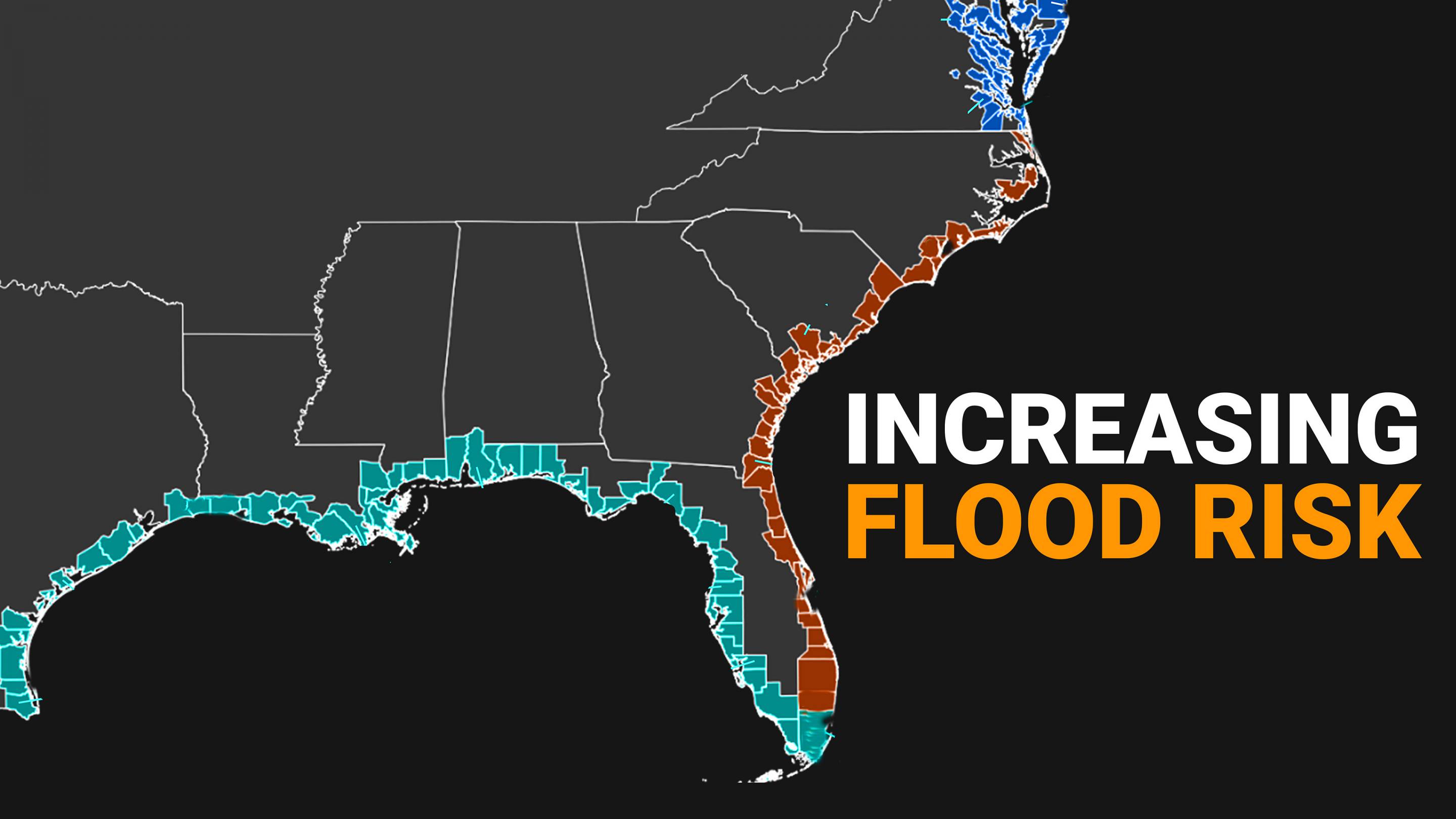
‘100-year’ floods will happen every one to 30 years, according to new coastal flood prediction maps
August 27, 2019 ・ Jen A. MillerA 100-year flood is supposed to be just that: a flood that occurs once every 100 years, or a flood that has a 1% chance of happening every year. But Princeton researchers have developed new maps that predict coastal flooding…
Put eggs all in one basket, or spread them around? Birds know best
March 3, 2019 ・ Catherine ZandonellaIn the tropical jungle of Central America where predators abound, a species of cuckoo has found safety in numbers by building communal nests guarded by two or three breeding pairs. Why then do these agreeable avians sometimes ditch the collaborative…
PEI Urban Grand Challenges awards $509,000 to new urban sustainability projects
January 17, 2019 ・ Morgan KellyVertical farms in post-industrial America, origami-based noise-pollution barriers, and cement made from burned waste make up the latest round of projects funded by the Princeton Environmental Institute (PEI) Urban Grand Challenges program. Totaling $509,000, the new awards are active through September…
Call for Proposals: PEI Urban Grand Challenge
June 15, 2018PEI is accepting faculty proposals for two-year projects of up to $150,000 for the Urban Grand Challenge program through Friday, June 29, 2018.

