The Princeton Energy and Climate Scholars (PECS) program, administered by HMEI, brings together a select interdisciplinary group of Princeton Ph.D. students with research expertise ranging from climate science and energy policy to environmental humanities.
PECS enhances the research experience of Princeton’s graduate students by encouraging them to transcend the boundaries of their fields and by fostering a sense of common intellectual adventure. Drawing from a broad range of disciplines, PECS students and members of the Faculty Board thoughtfully approach multifaceted energy and climate challenges of the 21st century.
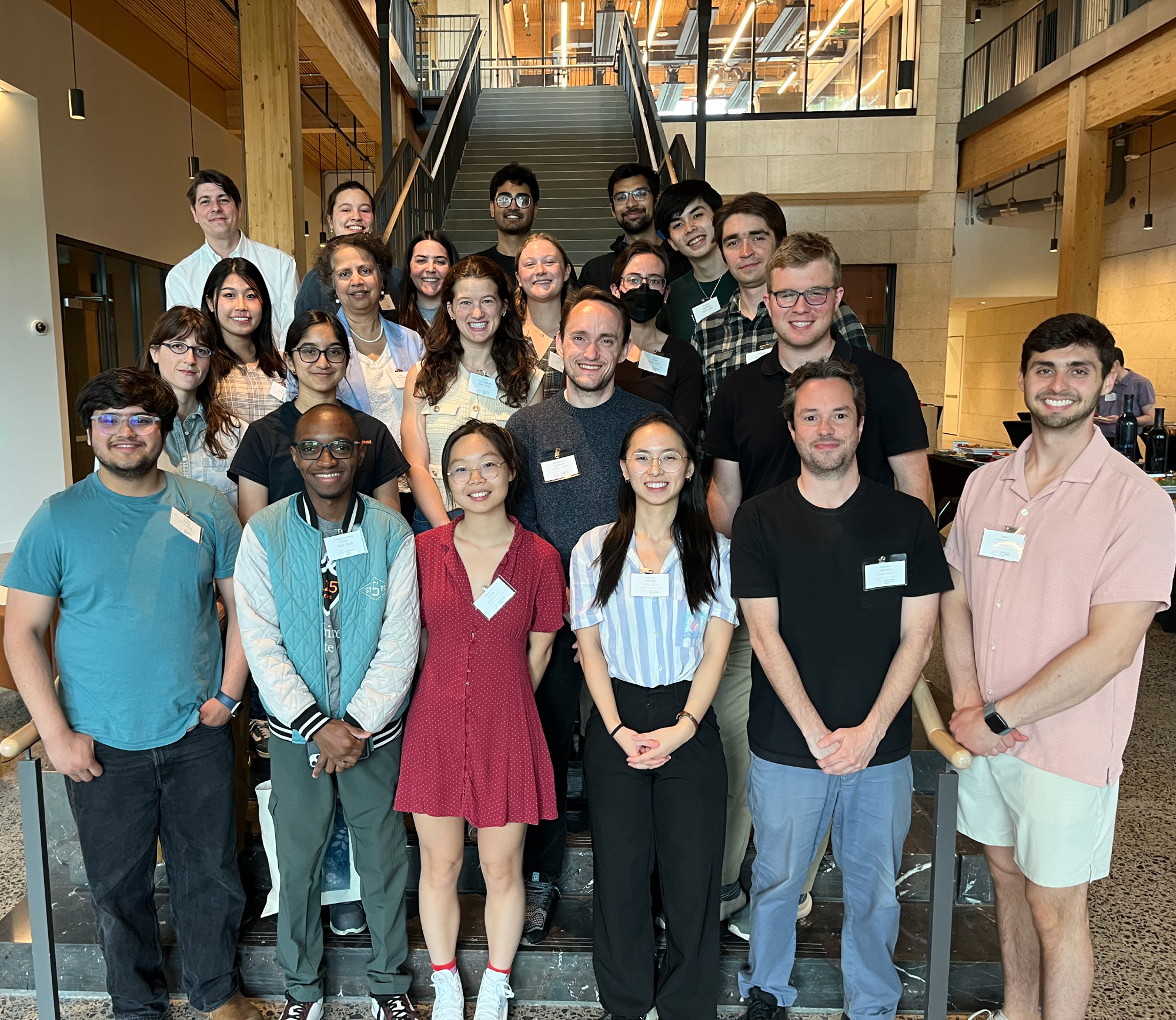
The PECS student body includes 15 to 20 Ph.D. students. An individual’s membership is for a maximum of two years. Each year, the turnover includes about half of the group to ensure continuity among group members.
The PECS Faculty Board comprises 10 to 15 faculty members. In addition to interactions and group activities, members of the Faculty Board serve as sponsors of the group and provide guidance and advice to the group when needed.
See our current PECS Student and Faculty Directory.
Students meet once a month over dinner to share research results and to introduce their work to one another. In these informal discussions, students have the opportunity to probe topics that are remote from their own research. The students meet a second time each month over dinner with invited speakers or members of the PECS Faculty Board. These dinners either highlight the research of a Faculty Board member or that of a visiting guest.
PECS Fellows engage in group-oriented outreach initiatives. Such activities may include career-oriented and science-education based events at high schools and other local colleges. PECS Fellows are eligible to receive up to $1,000 to support their research and professional development. The funds can be collected after the fall semester of the second year of PECS membership as long as those conditions are met and the student has demonstrated active participation in the groups meetings, projects and/or outreach activities. Funding support is accessed through SAFE.
Important dates for 2026-2027
Membership in PECS is by competitive application. Selection is made by representatives of the faculty and PECS student leadership. PECS students represent many disciplines within the university. Highly motivated graduate students from all departments are encouraged to apply.
Prioritized criteria for selection of new PECS members includes:
Because PECS is largely governed by its student members, the selection process gives considerable weight to indications that a student likes to volunteer and take initiative. Candidates self-nominate and are required to prepare a summary description of their research (< 500 words) including its intersections with energy and climate, and to explain how they would contribute to the PECS community and why they would want to attend the various PECS events (< 500 words). A letter of recommendation from their primary advisor highlighting their qualifications and motivations for joining the group is also required. This evaluation should be submitted to the PECS Program Faculty Adviser Recommendation Form by 11:59 p.m. on April 1.
PECS membership is a two-year commitment. Members are expected to attend all scheduled faculty and student dinners, the spring reception and fall working retreat, as well as actively participate in a group project. Dinners are held approximately two evenings per month throughout the semester. A spring reception will be held in May and a fall working retreat will be held in early September. Typically, only post-generals Ph.D. students are eligible for participation, but special cases will be considered.
For questions regarding the PECS program, please contact HMEI Undergraduate/Graduate Program Manager Meaghan Tohill
Ella Gunady and Shannon Zhang, Graduate Students and PECS Student Committee Co-Chairs
Anu Ramaswami, PECS Faculty Coordinator, Professor of Civil and Environmental Engineering, the Princeton Institute for International and Regional Studies, and the High Meadows Environmental Institute



