



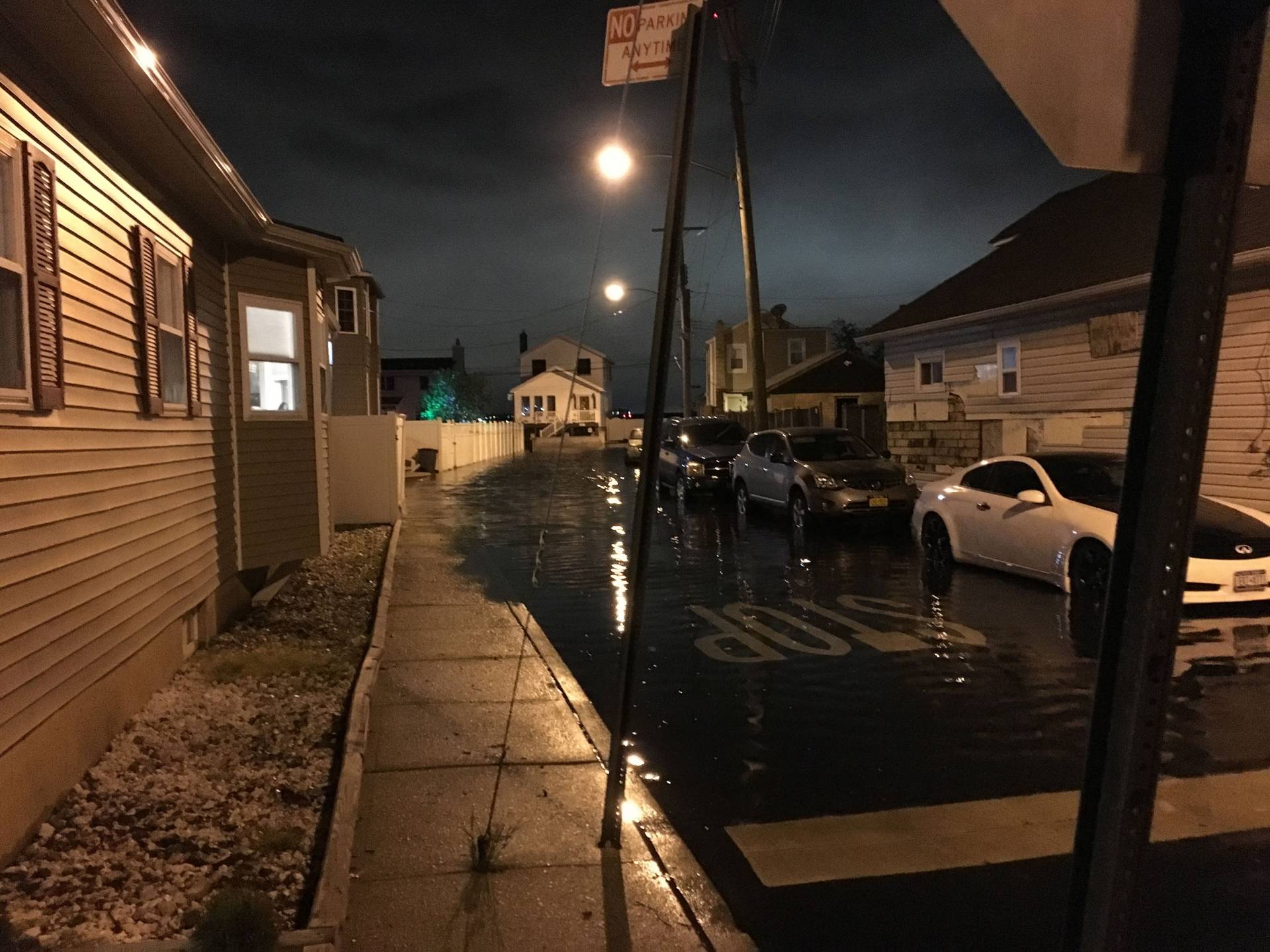

Rising sea levels will boost moderate floods in some areas, severe floods in others
A new study by researchers at Princeton and Rutgers universities found that sea-level rise will boost the occurrence of moderate flooding in cities along the southeastern coast, while areas that have little history of severe flooding are likely to experience a greater uptick in the number of severe, or even historically unprecedented, floods.
Rising seas are making flooding more common in coastal areas around the country. Now, a new study finds that sea-level rise will boost the occurrence of moderate rather than severe flooding in some regions of the United States, while in other areas the reverse is true.
The study by researchers at Princeton and Rutgers universities found that along the southeastern coast, where severe flooding due to hurricanes is relatively frequent, cities such as Charleston, South Carolina, will see a disproportionate increase in moderate flooding. However, areas that have little history of severe flooding, such as Seattle, are likely to experience a greater uptick in the number of severe, or even historically unprecedented, floods.
The study, published June 7 in the journal Environmental Research Letters, looked at how climate-driven sea-level rise is likely to amplify coastal flooding — which already costs municipalities along the East and Gulf coasts $27 billion annually — over the next 50 to 100 years.
Improving the accuracy of flooding estimates is important as coastal cities and states take actions to protect themselves against future storms, according to Michael Oppenheimer, Princeton’s Albert G. Milbank Professor of Geosciences and International Affairs and the Princeton Environmental Institute. “To make these decisions, local governments need an understanding of the frequency with which extreme floods will return in the future,” Oppenheimer said. “A key element is getting the science right, and that was our main objective in this study.”