



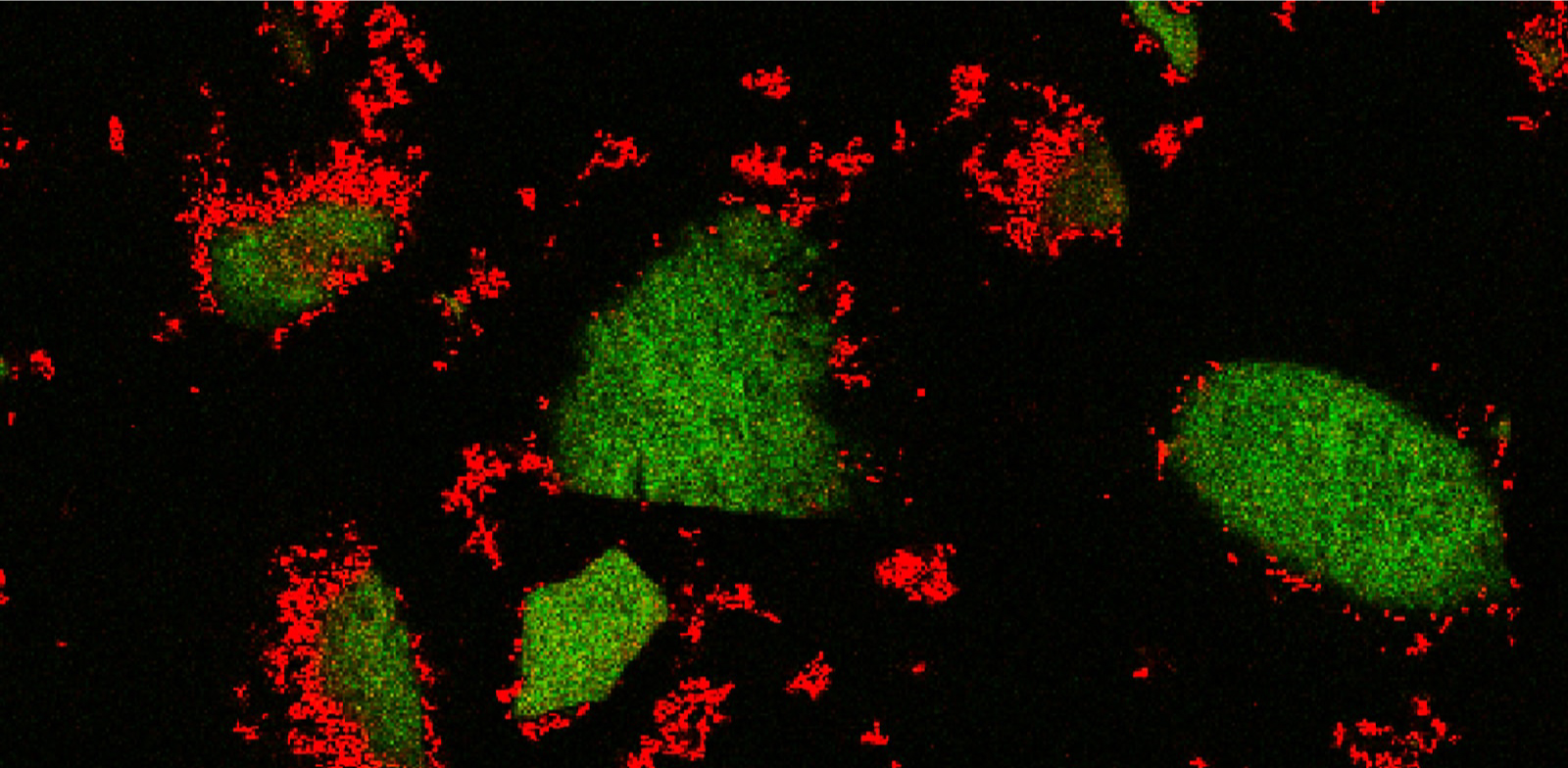
Carbon-chomping soil bacteria may pose hidden climate risk
January 27, 2021 ・ Molly SharlachMuch of the Earth’s carbon is trapped in soil, and scientists have assumed that potential climate-warming compounds would safely stay there for centuries. But Princeton research supported by the High Meadows Environmental Institute (HMEI) shows that carbon molecules can potentially…
Data-Driven Model Provides Projections of a 21st Century Urban Climate
January 4, 2021 ・ Lois E. Yoksoulian and B. Rose HuberCities occupy about only 3% of the Earth’s total land surface, but they bear the burden of the human-perceived effects of global climate change. Yet, current global climate models are set up mainly for big-picture analysis, leaving urban areas poorly…
Getting U.S. to net-zero emissions by 2050 will take massive, but affordable, coordination
December 15, 2020 ・ Molly A. SeltzerWith a massive, nationwide effort the United States could reach net-zero emissions of greenhouse gases by 2050 using existing technology and at costs aligned with historical spending on energy, according to a study led by Princeton researchers. The new “Net-Zero…
How plants compete for underground real estate affects climate change and food production
December 3, 2020 ・ Liana WaitYou might have observed plants competing for sunlight — the way they stretch upwards and outwards to block each other’s access to the sun’s rays — but out of sight, another type of competition is happening underground. In the same…

Princeton, PEI researchers join $1M NSF effort to model nation’s groundwater
September 28, 2020 ・ Morgan KellyResearchers from Princeton will help lead a $1 million project funded by the National Science Foundation (NSF) that will use artificial intelligence to simulate the nation’s natural groundwater system in an effort to improve water management and help people better…

CMI Best Paper Awards recognize postdoc, graduate student published research
May 5, 2020 ・ Holly WellesThe Carbon Mitigation Initiative (CMI) recognized Jane Baldwin, a past postdoctoral fellow in the Princeton Environmental Institute (PEI), and Samantha Hartzell, a graduate student in civil and environmental engineering, at the CMI Annual Meeting for outstanding published research. Baldwin received…
Expansion, environmental impacts of irrigation by 2050 greatly underestimated
May 4, 2020 ・ Joseph AlbaneseThe amount of farmland around the world that will need to be irrigated in order to feed an estimated global population of 9 billion people by 2050 could be up to several billion acres, far higher than scientists currently project,…
Levine receives prestigious Robert MacArthur ecological research award
April 17, 2020 ・ Liz Fuller-WrightJonathan Levine, a professor of ecology and evolutionary biology (EEB) and an associated faculty member in the Princeton Environmental Institute (PEI), is the 2020 recipient of the Ecological Society of America’s Robert H. MacArthur Award, the most prestigious mid-career accolade from…
Shrinking grains expand understanding of self-healing materials
October 22, 2019 ・ Scott LyonCracks in the desert floor appear random to the untrained eye, even beautifully so, but those patterns of dried clay turn out to be predictable — and useful in designing advanced materials. In a pair of new studies, Princeton University…
