HMEI Faculty Seminar: “Disease in Motion and Landscapes of Health”
C. Jessica E. Metcalf, associate professor of ecology and evolutionary biology and public affairs, will present “Disease in Motion and Landscapes of Health” in Guyot Hall, Room 10, and online via Zoom. Metcalf is the third speaker in the fall 2022 HMEI Faculty Seminar Series.
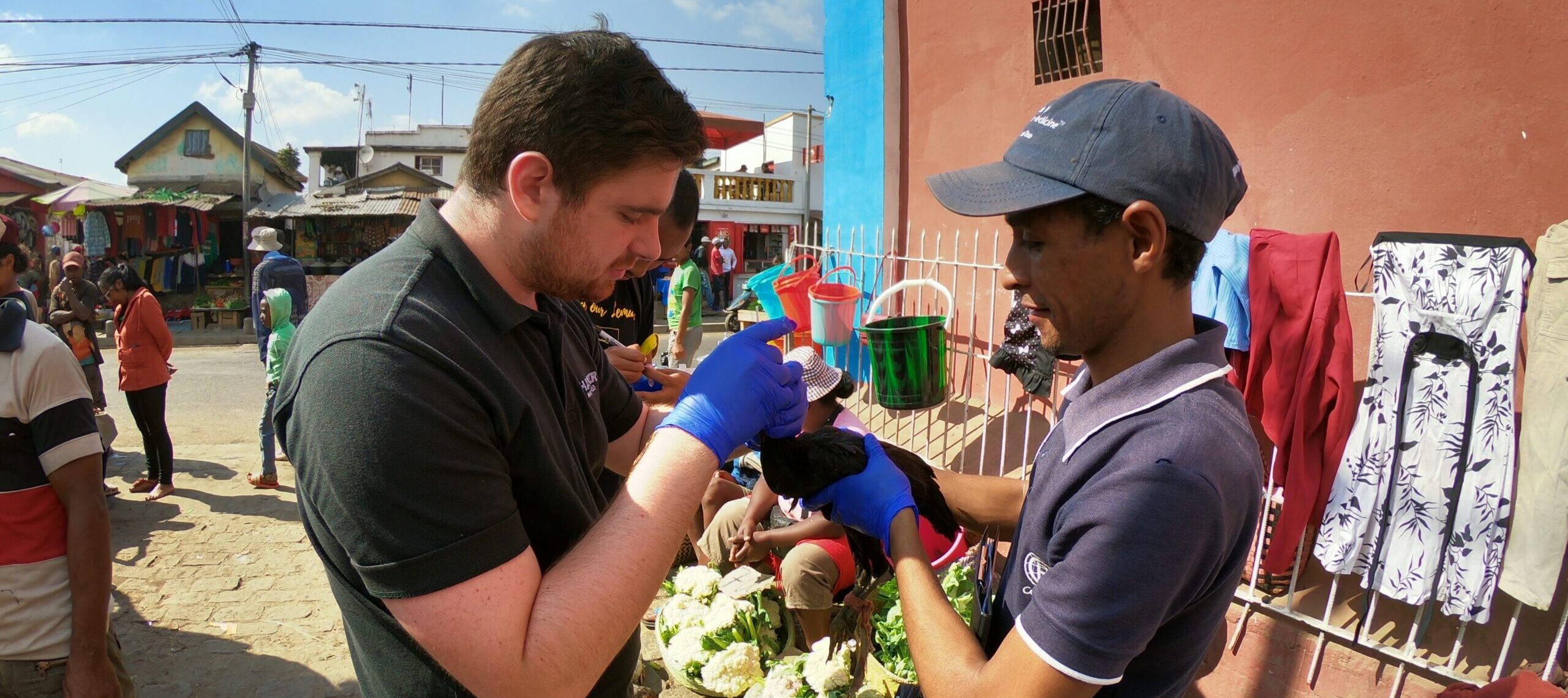
Metcalf, who is associated faculty in HMEI, will explain how patterns of population connectivity shape the spread of infectious disease and define the landscape of human and animal health. Her work in Madagascar triangulating the movement and burden for pathogens such as measles, rabies and the avian Newcastle disease through a range of data sources has helped reveal the drivers of pathogen ecology — and point toward new methods for disease control.
This seminar is free and open to the public with registration. Lunch will be available in the Guyot Atrium at noon. All attendees can register here in advance to attend this event via Zoom livestream.
Additional dates and speakers in this series are below.
SEPTEMBER 20
“Ancient Bubbles Tell Future Climate Stories” — John Higgins, Associate Professor of Geosciences
OCTOBER 4
“Multispecies Mutual Ecologies: People and Primates Recasting the Anthropocene Dynamic” — Agustin Fuentes, Professor of Anthropology
DECEMBER 6
“The Urbasphere: How Humans, Infrastructure and Nature Shape the Emerging Environment of Cities” — Elie Bou-Zeid, Professor of Civil and Environmental Engineering
HMEI Faculty Seminar: “Disease in Motion and Landscapes of Health”
Event Date
Tue, Nov 1, 2022 ・ 12:30 PM - 1:30 PM
Location
10 Guyot Hall/Online via Zoom webinar
C. Jessica E. Metcalf, associate professor of ecology and evolutionary biology and public affairs, will present “Disease in Motion and Landscapes of Health” in Guyot Hall, Room 10, and online via Zoom. Metcalf is the third speaker in the fall 2022 HMEI Faculty Seminar Series.
Metcalf, who is associated faculty in HMEI, will explain how patterns of population connectivity shape the spread of infectious disease and define the landscape of human and animal health. Her work in Madagascar triangulating the movement and burden for pathogens such as measles, rabies and the avian Newcastle disease through a range of data sources has helped reveal the drivers of pathogen ecology — and point toward new methods for disease control.
This seminar is free and open to the public with registration. Lunch will be available in the Guyot Atrium at noon. All attendees can register here in advance to attend this event via Zoom livestream.
Additional dates and speakers in this series are below.
SEPTEMBER 20
“Ancient Bubbles Tell Future Climate Stories” — John Higgins, Associate Professor of Geosciences
OCTOBER 4
“Multispecies Mutual Ecologies: People and Primates Recasting the Anthropocene Dynamic” — Agustin Fuentes, Professor of Anthropology
DECEMBER 6
“The Urbasphere: How Humans, Infrastructure and Nature Shape the Emerging Environment of Cities” — Elie Bou-Zeid, Professor of Civil and Environmental Engineering
Share on Social Media:

Add to my calendar:






