HMEI Faculty Seminar “Advancing Social Vulnerability Modeling for Equitable Flood Adaptation”
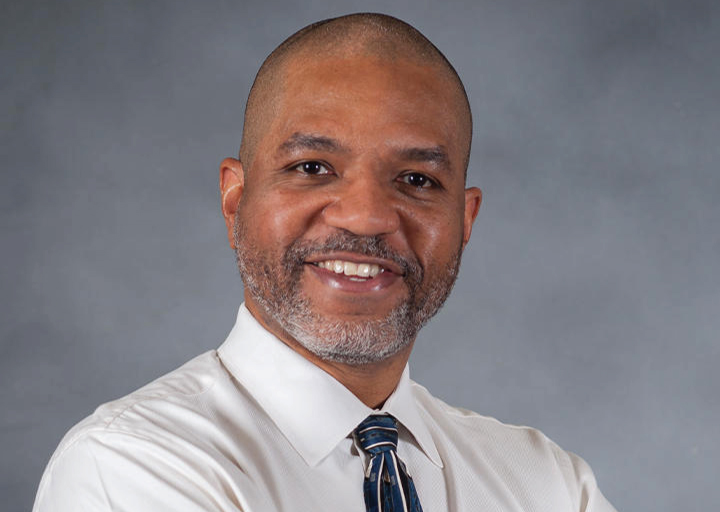
Eric Tate, professor of the Princeton School of Public and International Affairs, will present “Advancing Social Vulnerability Modeling for Equitable Flood Adaptation” in Briger Hall Auditorium, 11 Ivy Lane, or stream it live. Tate is the second speaker in the fall 2025 HMEI Faculty Seminar Series.
Reducing disaster inequity has become a central focus in flood adaptation efforts. Social vulnerability indicators are widely used to support this goal, but persistent challenges have hindered their evolution from generalized to context-specific metrics. A key limitation is a weak understanding of which characteristics of vulnerable populations are most relevant across different hazards, geographic settings, and scales of analysis—from local to global. This talk profiles research pathways to address these challenges, toward developing a new generation of social vulnerability indicators tailored to specific use cases in flood adaptation modeling, planning, and policy.
This seminar is free and open to the public. Lunch will be available in the Briger Atrium at 11:45 a.m. Click here to stream it live, no registration needed. If you’d like to submit a question for the Q&A, you can do so here.
Directions to Briger Hall.
A recording of the seminar is available on the video archive page.
HMEI Faculty Seminar “Advancing Social Vulnerability Modeling for Equitable Flood Adaptation”
Event Date
Tue, Oct 7, 2025 ・ 12:15 PM - 1:15 PM
Location
Briger Hall Auditorium, 11 Ivy Lane

Eric Tate, professor of the Princeton School of Public and International Affairs, will present “Advancing Social Vulnerability Modeling for Equitable Flood Adaptation” in Briger Hall Auditorium, 11 Ivy Lane, or stream it live. Tate is the second speaker in the fall 2025 HMEI Faculty Seminar Series.
Reducing disaster inequity has become a central focus in flood adaptation efforts. Social vulnerability indicators are widely used to support this goal, but persistent challenges have hindered their evolution from generalized to context-specific metrics. A key limitation is a weak understanding of which characteristics of vulnerable populations are most relevant across different hazards, geographic settings, and scales of analysis—from local to global. This talk profiles research pathways to address these challenges, toward developing a new generation of social vulnerability indicators tailored to specific use cases in flood adaptation modeling, planning, and policy.
This seminar is free and open to the public. Lunch will be available in the Briger Atrium at 11:45 a.m. Click here to stream it live, no registration needed. If you’d like to submit a question for the Q&A, you can do so here.
Directions to Briger Hall.
A recording of the seminar is available on the video archive page.
Share on Social Media:
Add to my calendar: