



2025 Internship Project Overview
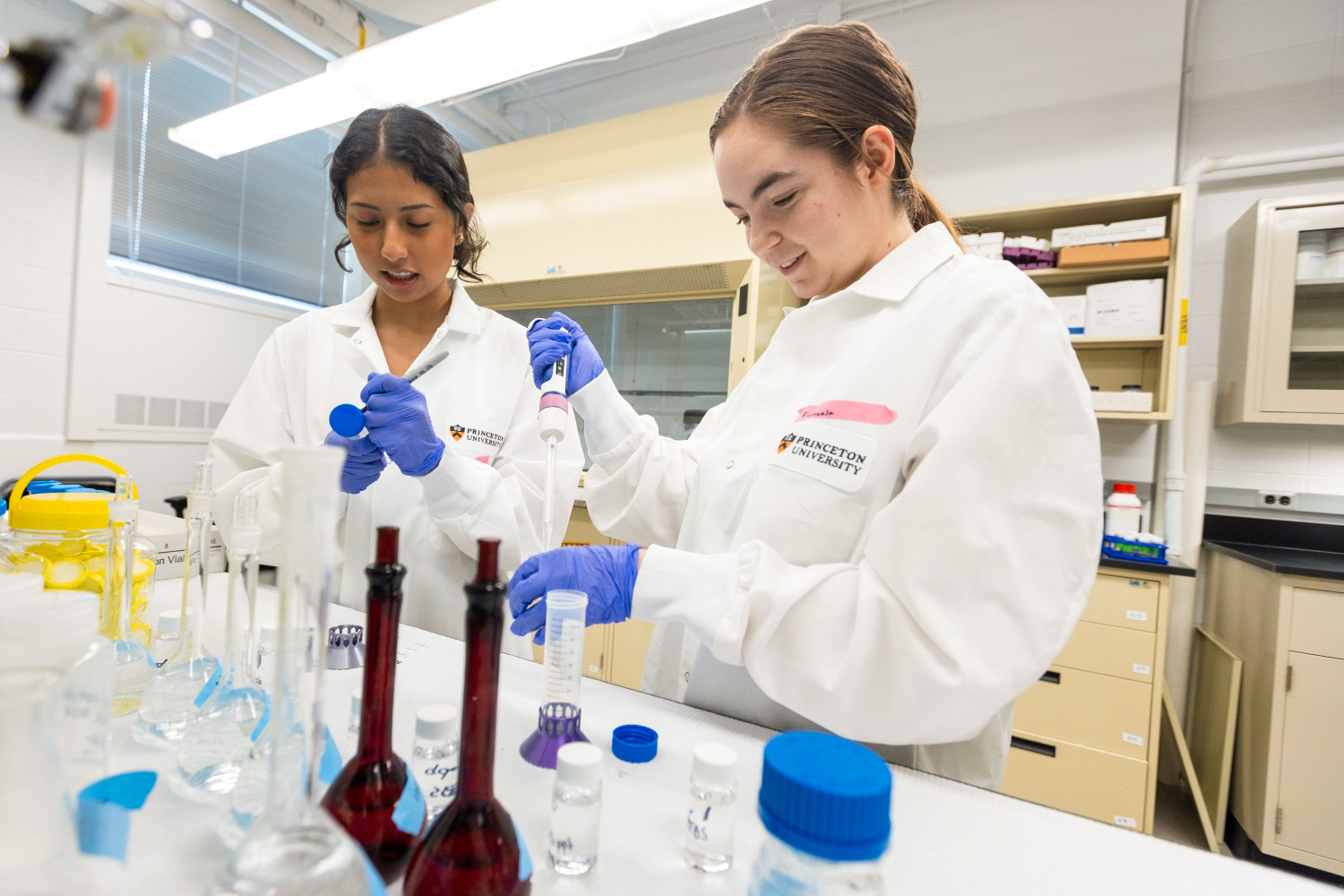
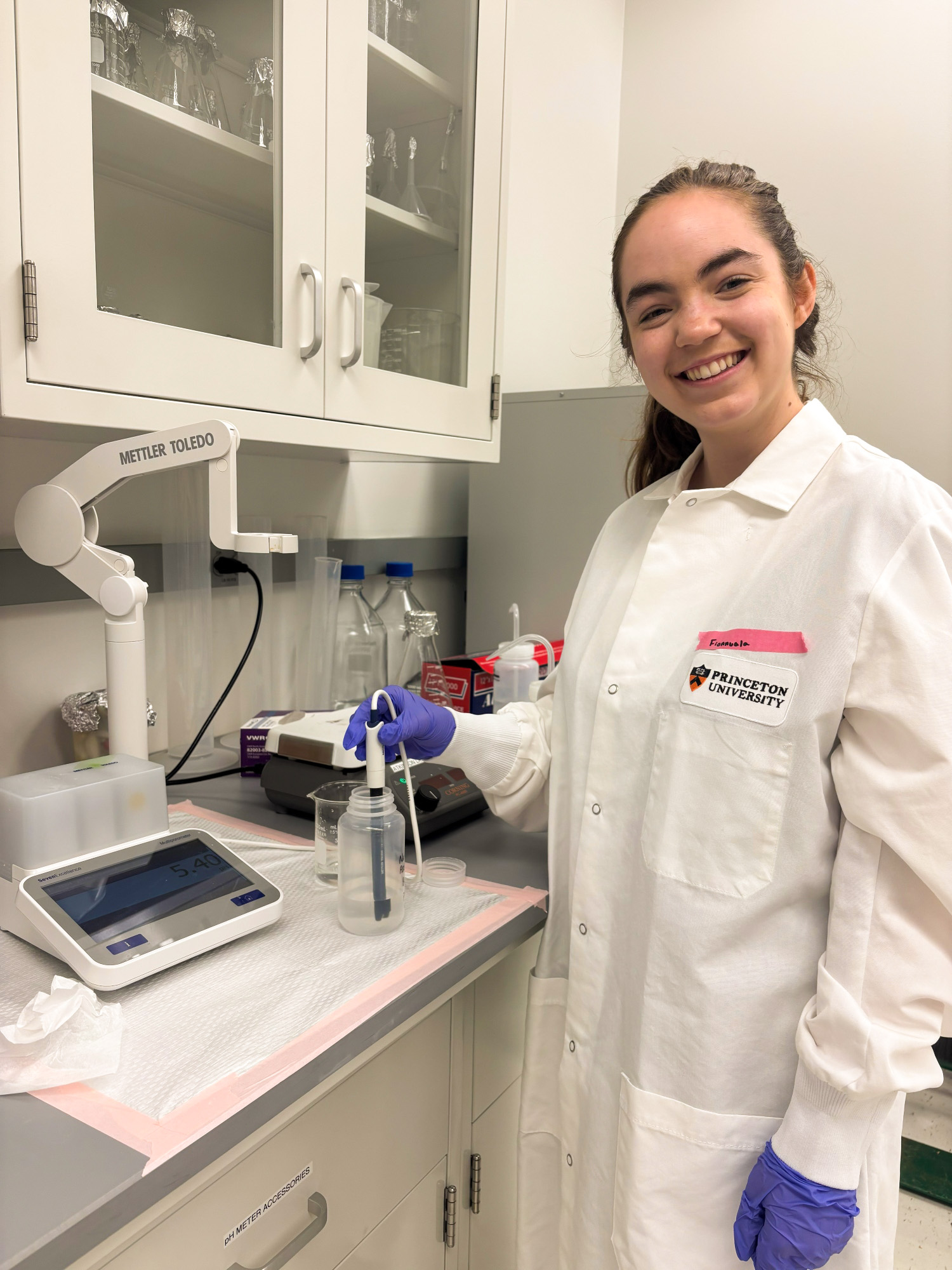
Polyfluoroalkyl substances (PFAS) are a class of synthetic chemicals with a unique structure that allows them to resist water, oil and heat. These properties prompted their use in many consumer products but also make these compounds difficult to break down, causing them to accumulate in ecosystems and in the human body with a myriad of effects. Our research focused on understanding the behavior of short-chain PFAS in water. In laboratory experiments, we worked to determine the efficacy of zeolite as a remediation strategy, completing a batch experiment to gain insight into the partition coefficient of PFBS on zeolite. We also used molecular dynamics simulations to explore the concentration at which PFAS begin to aggregate—their critical micelle concentration—in a variety of scenarios. We considered carbon chain length, head group identity and the impact of mixtures of PFAS with synthetic surfactants and their impacts on micelle formation, providing possible insight into improved remediation techniques as well as the behavior of PFAS in the body.
ORGANIZATION/RESEARCH GROUP
Integrated GroundWater Modeling Center, Department of Civil and Environmental Engineering, Princeton University
LOCATION
Princeton, New Jersey
Interns


Minor(s): Environmental Studies
Click to view the end-of-project presentation
Principal Investigator

Mentors
- Caridad Estrada Cardona, Ph.D. Candidate, Civil and Environmental Engineering