



2025 Internship Project Overview
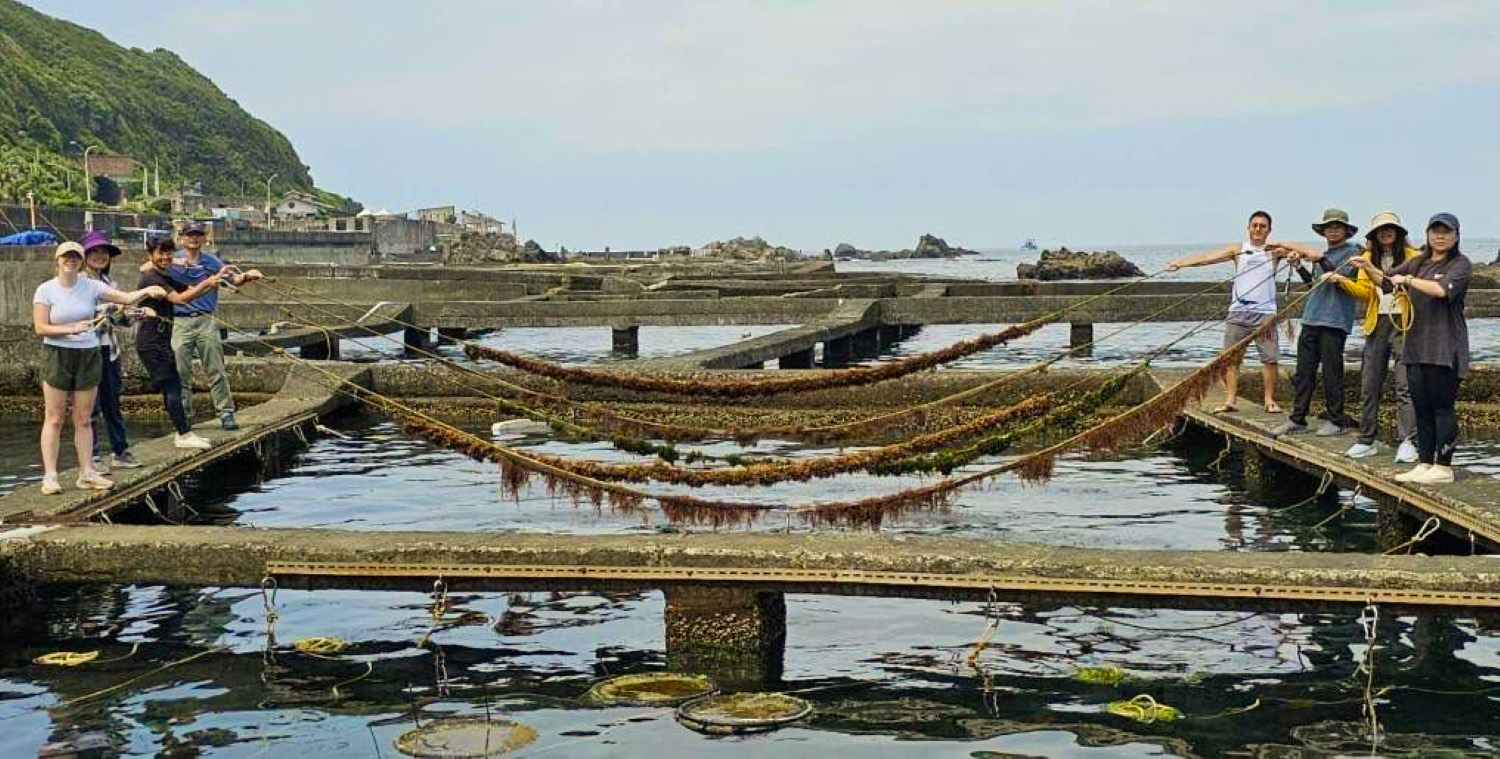
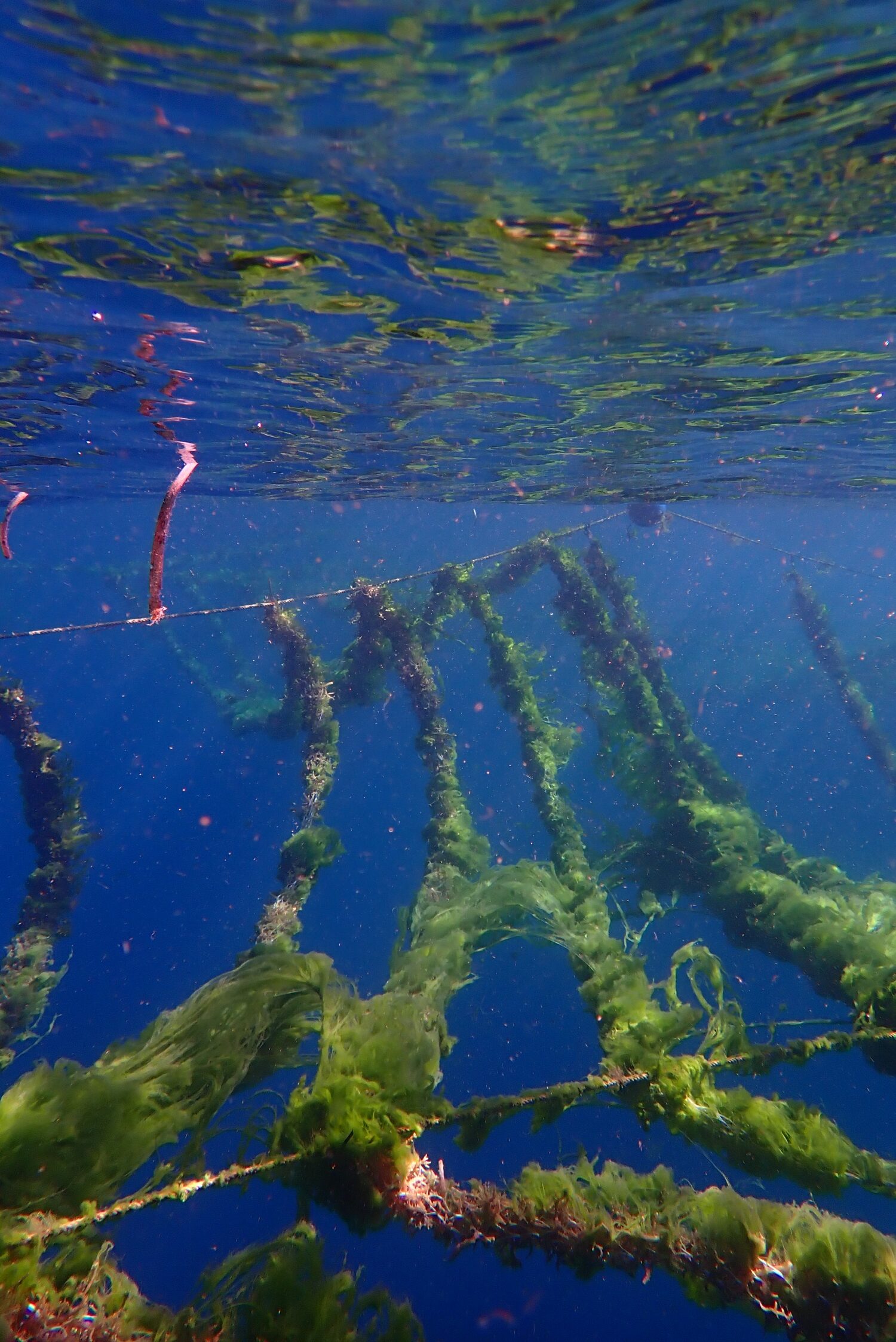
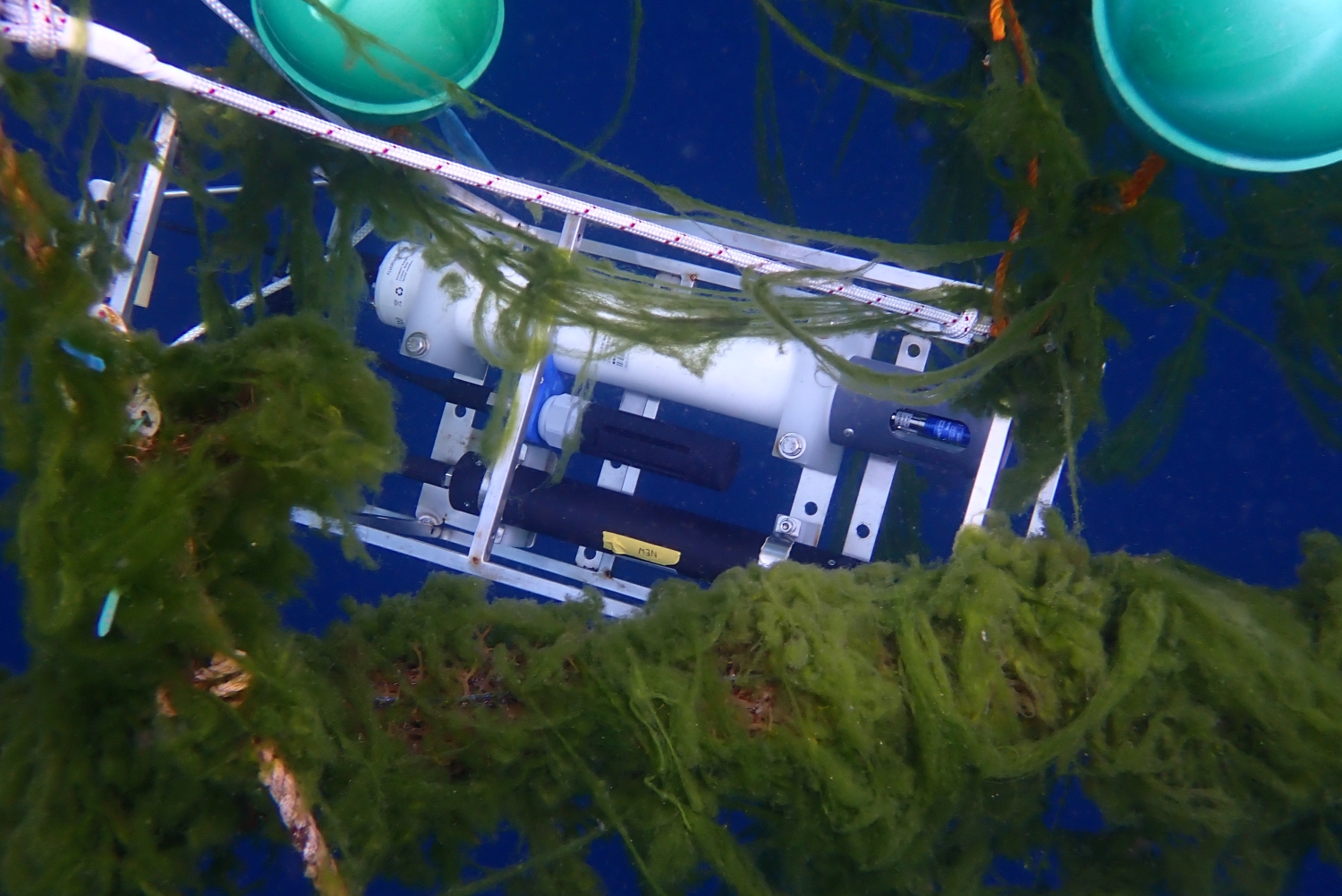
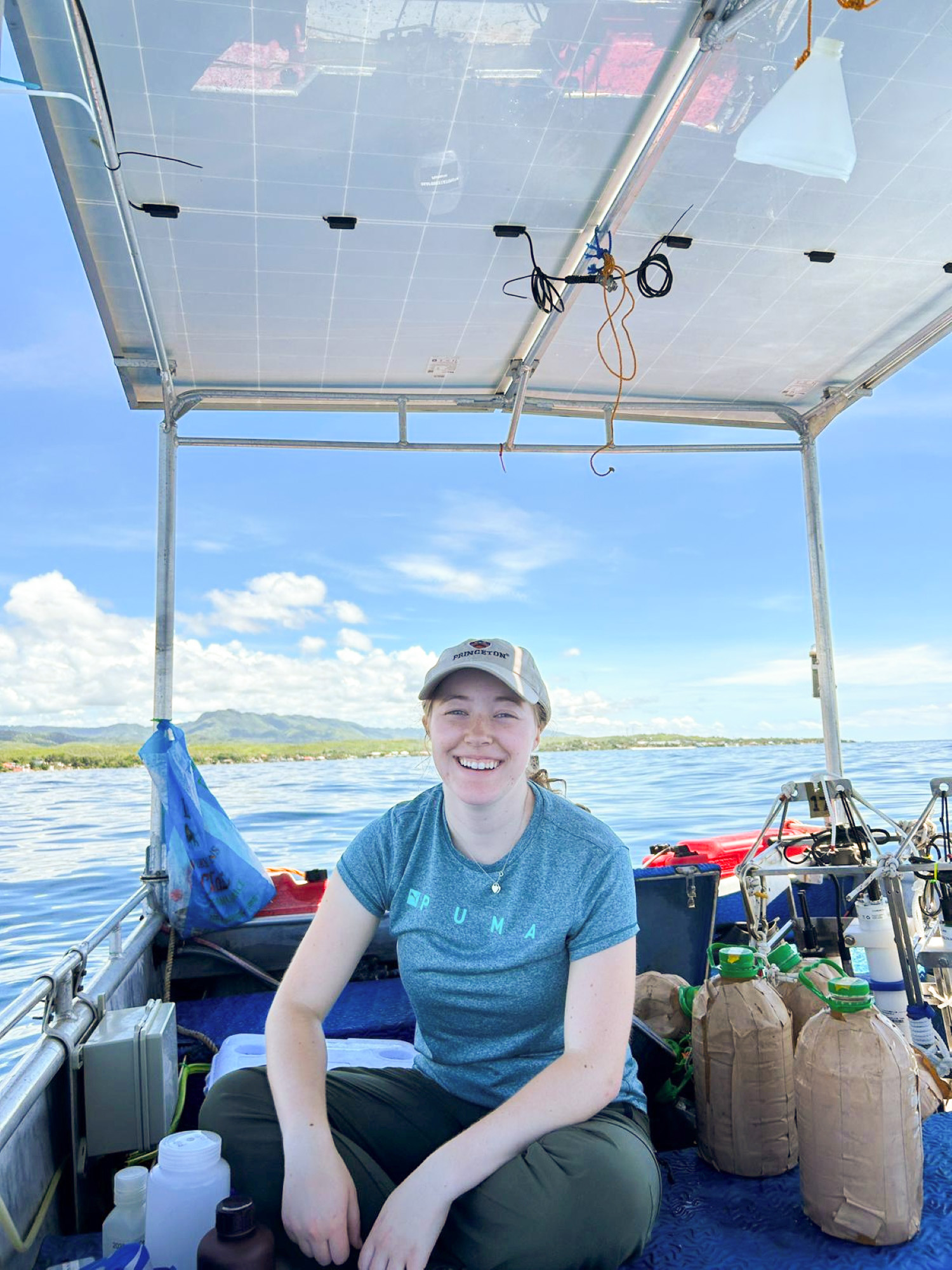
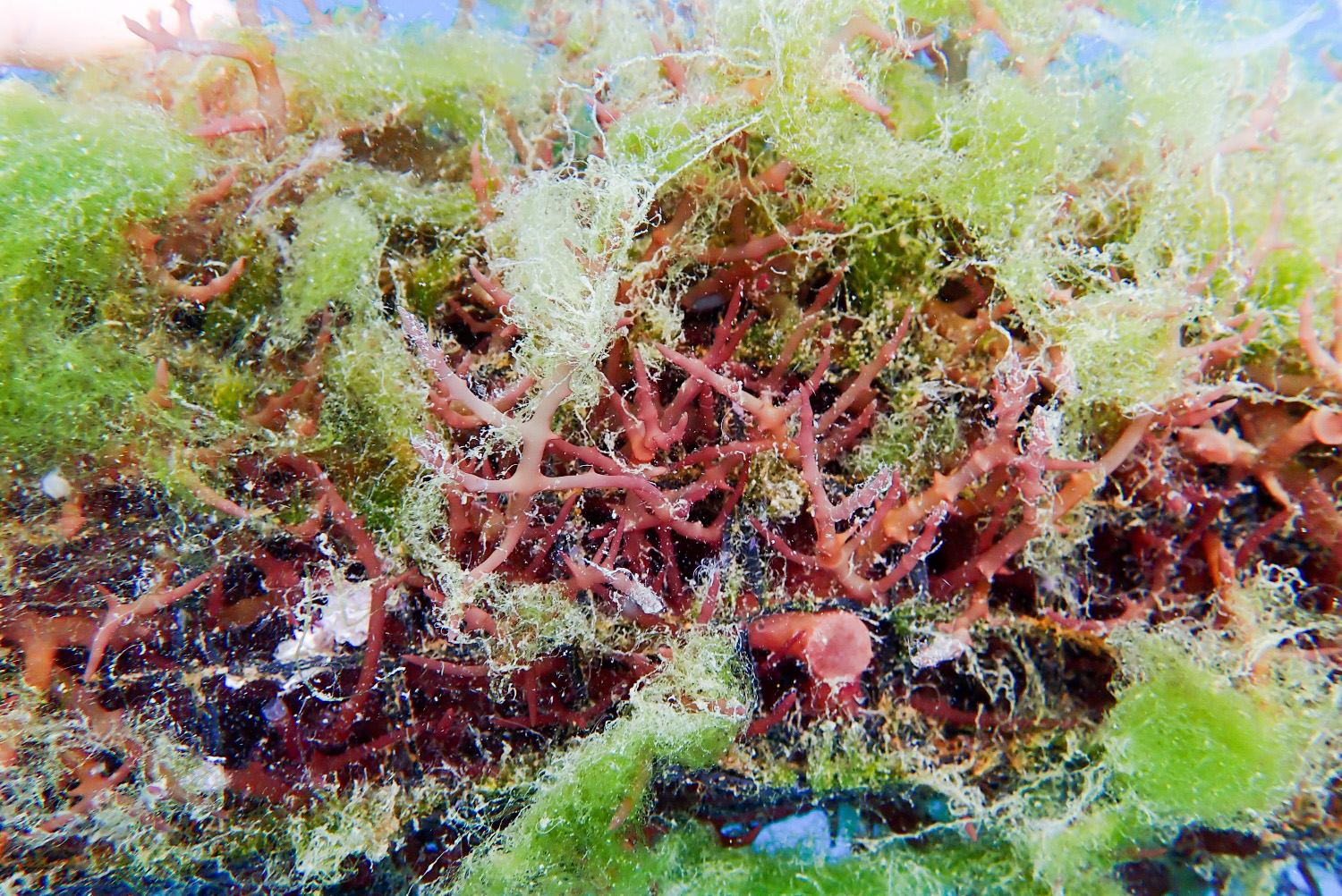
The “biological ocean pump” sequesters carbon and nutrients from the atmosphere and surface-level ocean and cycles them into the deep ocean interior. However, as climate change intensifies, atmospheric carbon dioxide exceeds the natural rate of the ocean pump, which raises a need for additional carbon capture methods. Seaweed has gained notable traction in this regard due its high carbon-to-nutrient content. During my internship I traveled to Cebu, Philippines, where we collaborated with the Ren Research Group to conduct field research in the Climate Foundation’s depth-cycled seaweed farm to understand its potential role in carbon sequestration. On-site, I collected and filtered water samples at various depths and locations of the seaweed farm for future nutrient analysis. While off-site, I analyzed the week’s worth of sensor data to identify correlations associated with these depths and locations within the seaweed farm. This experience intensified my appreciation for seaweed and its keystone role in climate mitigation.
This internship is connected to the HMEI Climate and Energy Grand Challenges project, “Deep Water-Fertilized, Open Ocean Seaweed Mariculture: A Field Study.”
ORGANIZATION/RESEARCH GROUP
Sigman Research Laboratory, Department of Geosciences, Princeton University
LOCATION
Cebu, Philippines; Taipei, Taiwan; Princeton, New Jersey
Interns

Minor(s): Climate Sciences, Sustainable Energy
Click to view the end-of-project presentation
Principal Investigator

Mentors
- Lingkun Guo, Ph.D. Candidate, Geosciences
- Tanya Marshall, Princeton Presidential Fellow, Geosciences