



2025 Internship Project Overview
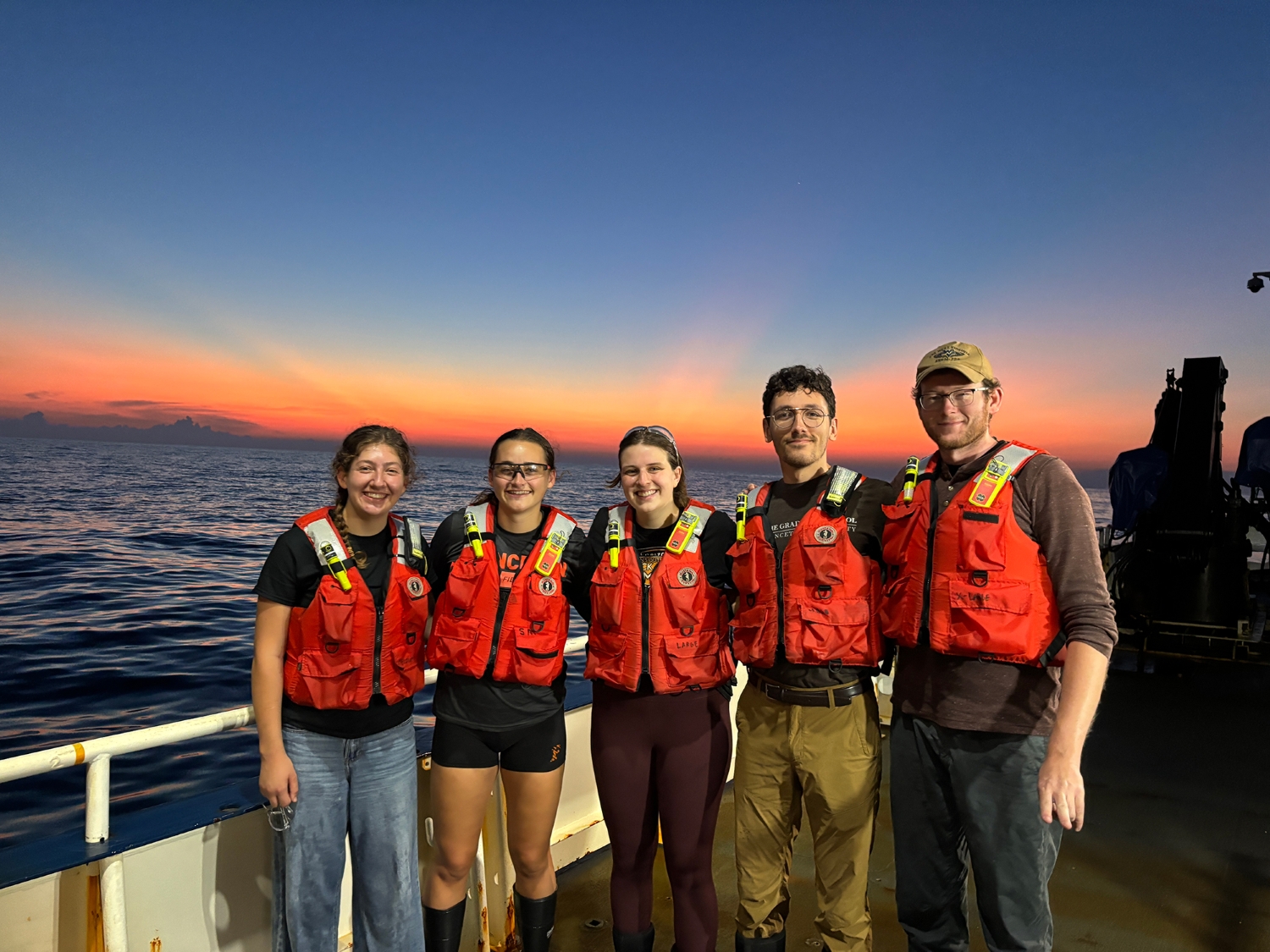
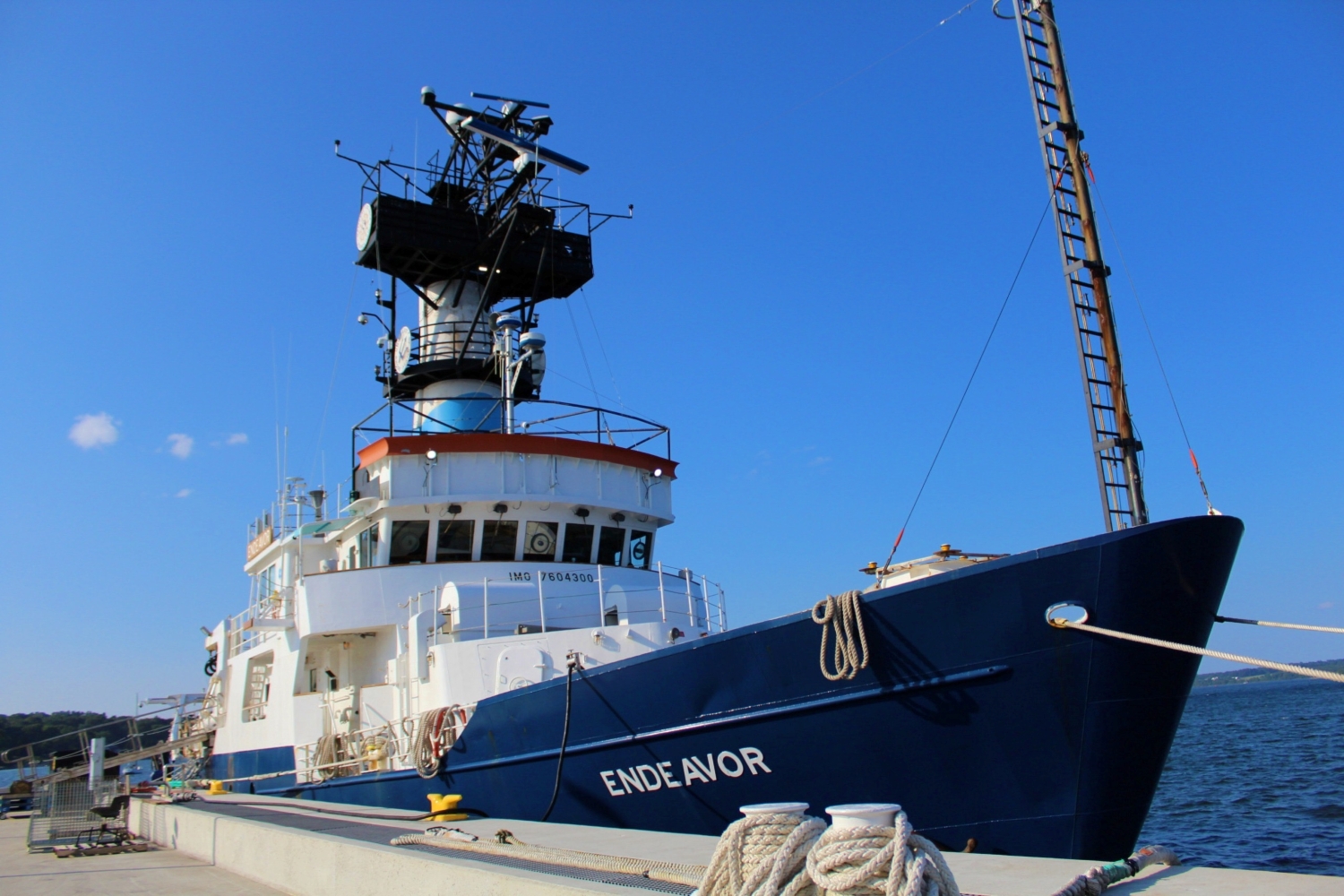
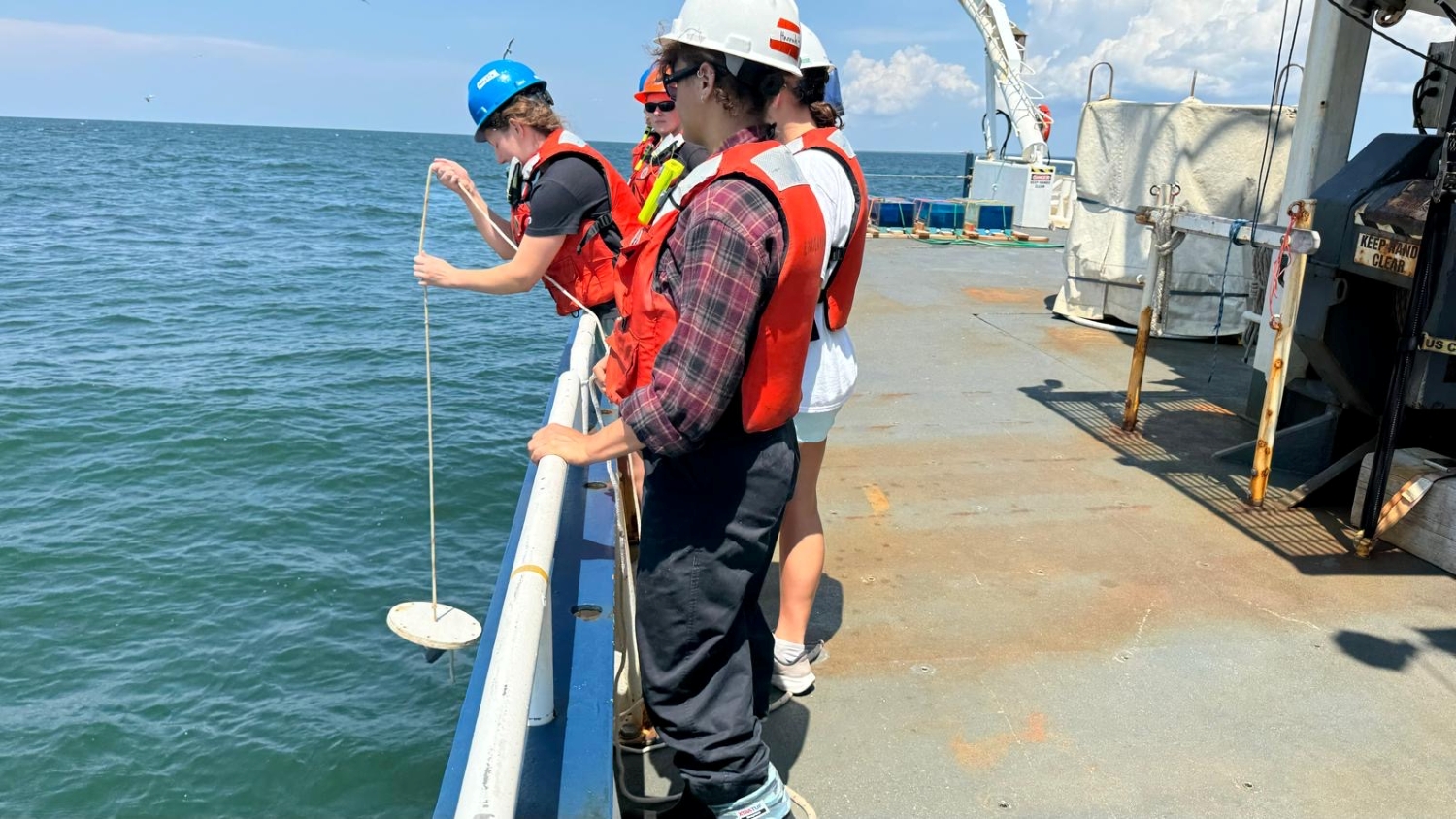
We joined the Ward Lab in their ongoing research on nitrous oxide, an important greenhouse gas, and its dynamics in the ocean. The lab’s current work focuses on nitrous oxide fluxes and the biotic and abiotic mechanisms that control its cycling, including environmental factors, particularly the presence or absence of oxygen. Each of us worked with a lab member who studies a different aspect of this phenomenon, spending five weeks in the lab followed by a 25-day research cruise in the North Atlantic. Our responsibilities included sampling seawater collected using bottles deployed on a conductivity, temperature and depth (CTD) instrument from various depths in the ocean, creating agarose particles to study micro-anoxic sites in oxygenated waters, filtering seawater to prepare for DNA analysis, running samples on a gas chromatograph to determine the amount of nitrous oxide consumed by microorganisms, and subjecting seawater to various levels of light to determine the mechanisms of abiotic, light-driven nitrogen reduction, known as photochemodenitrification.
ORGANIZATION/RESEARCH GROUP
The Ward Lab, Department of Geosciences, Princeton University
LOCATION
Princeton, New Jersey; Narragansett, Rhode Island;
at sea, North Atlantic Ocean — Sargasso Sea and Chesapeake Bay
Interns


Minor(s): Environmental Studies

Minor(s): Planets and Life
Click to view the end-of-project presentation
Principal Investigator

Mentors
- Catherine Hexter, Ph.D. Candidate, Geosciences
- Amal Jayakumar, Senior Professional Specialist, Geosciences
- Elizabeth Leon Palmero, Associate Research Scholar, Geosciences