



2025 Internship Project Overview
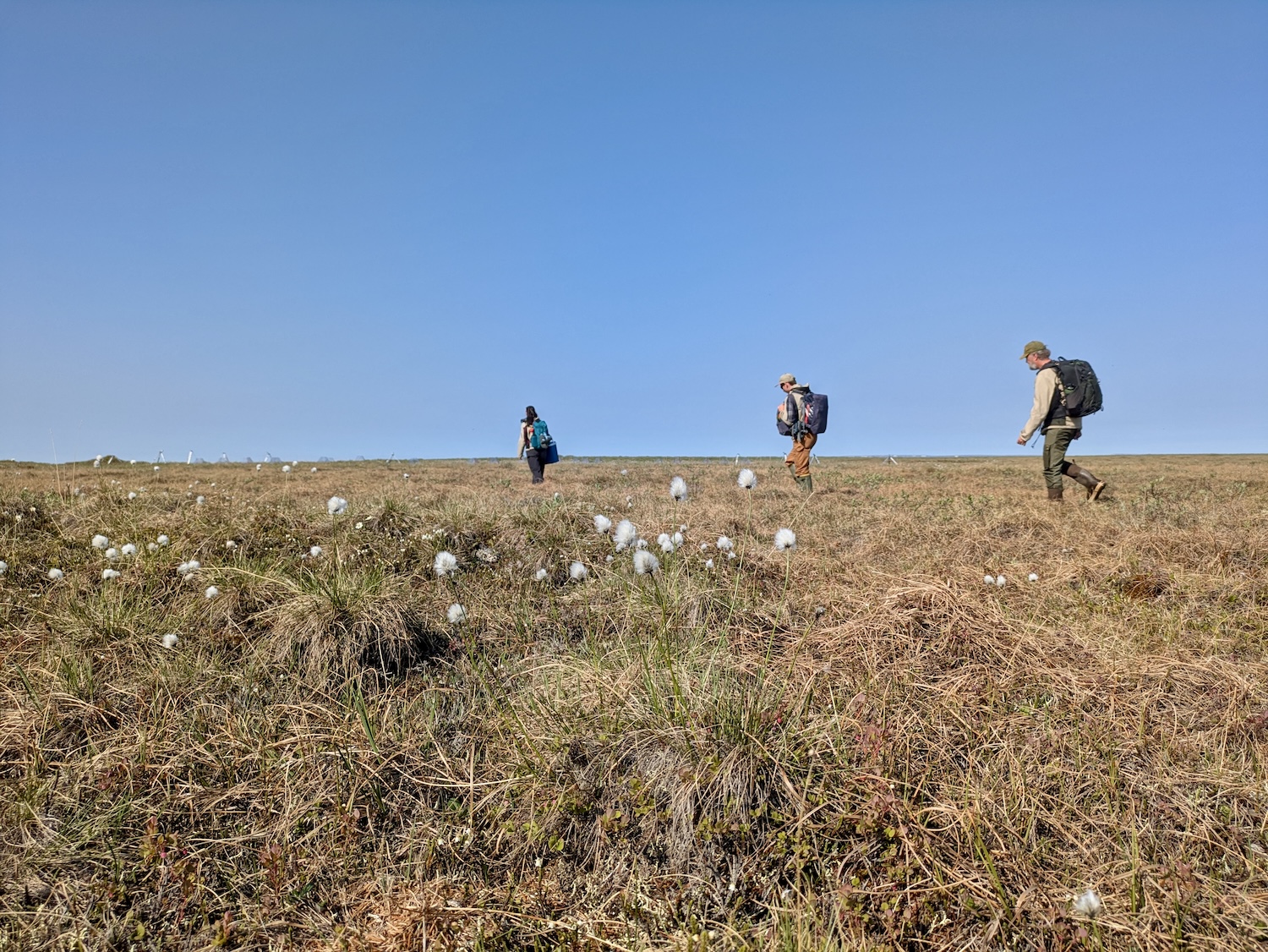
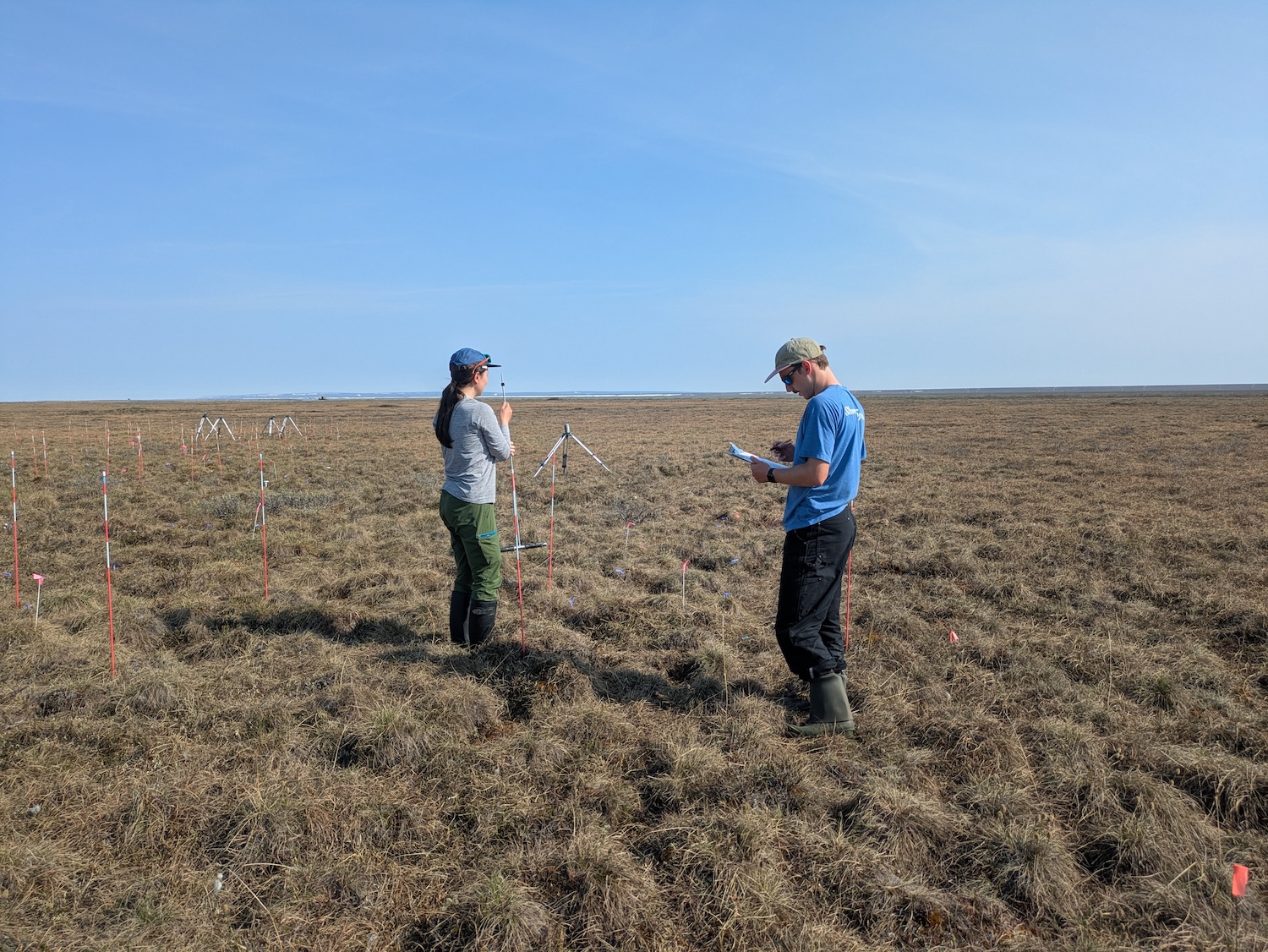
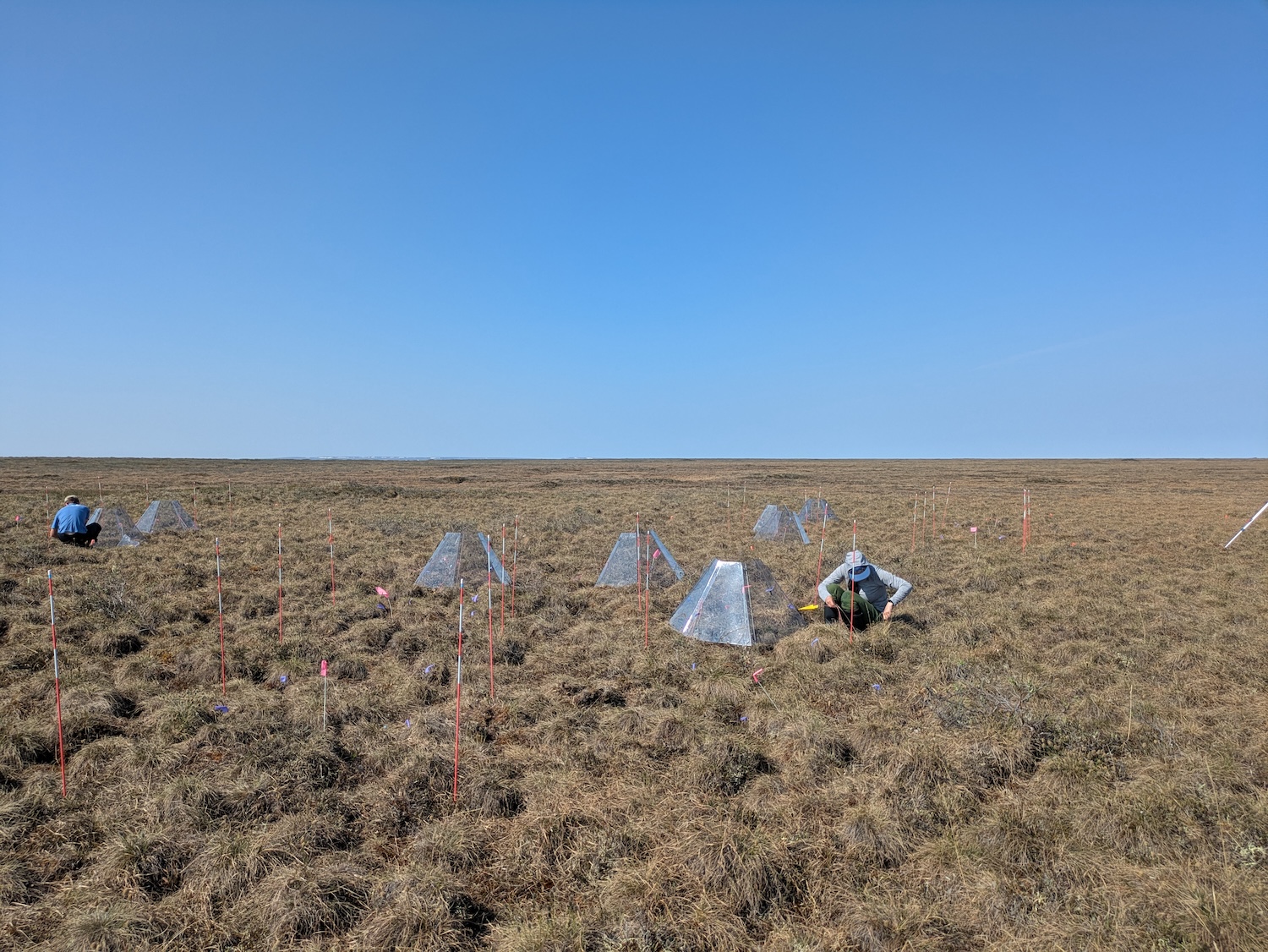
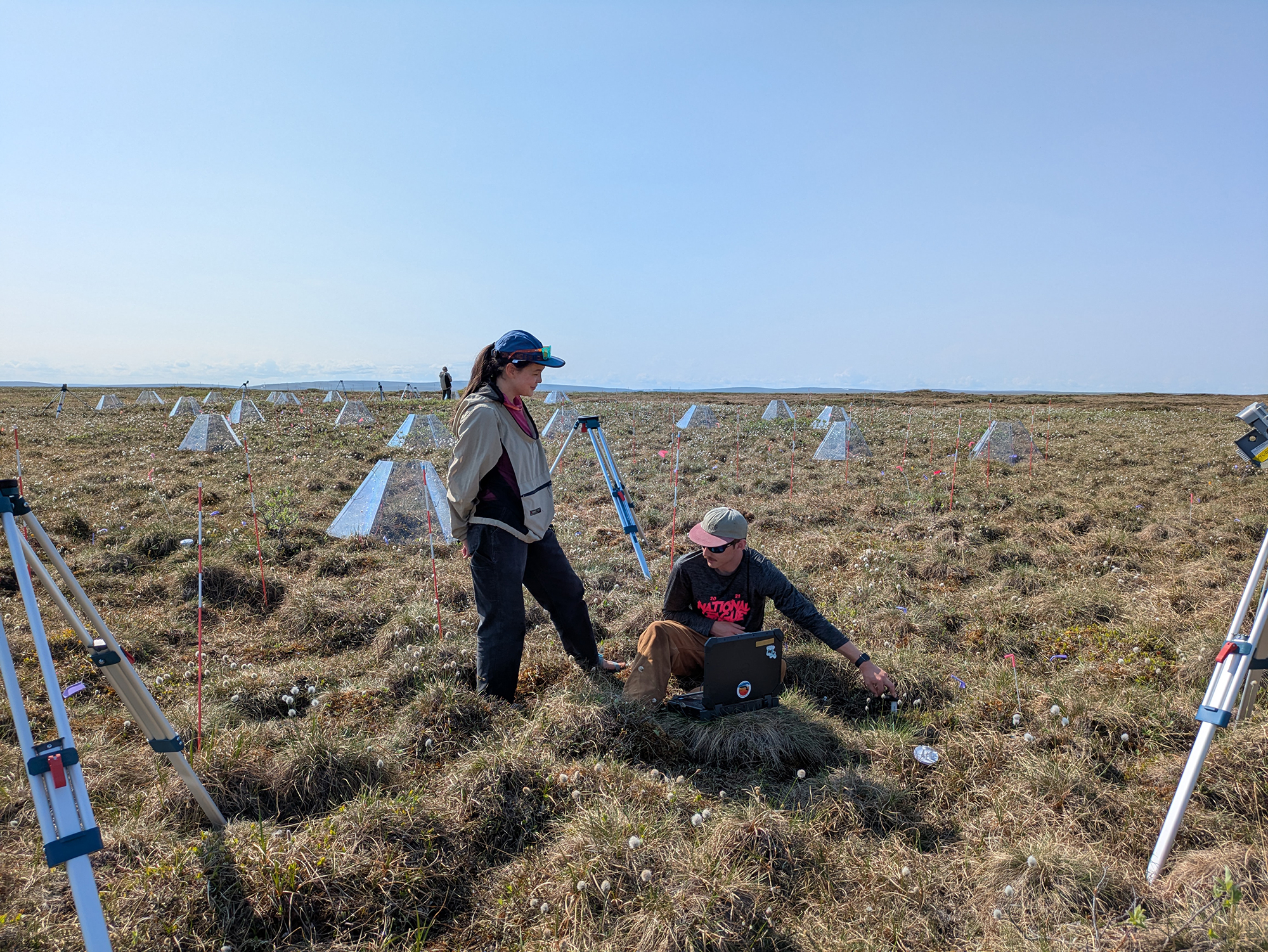
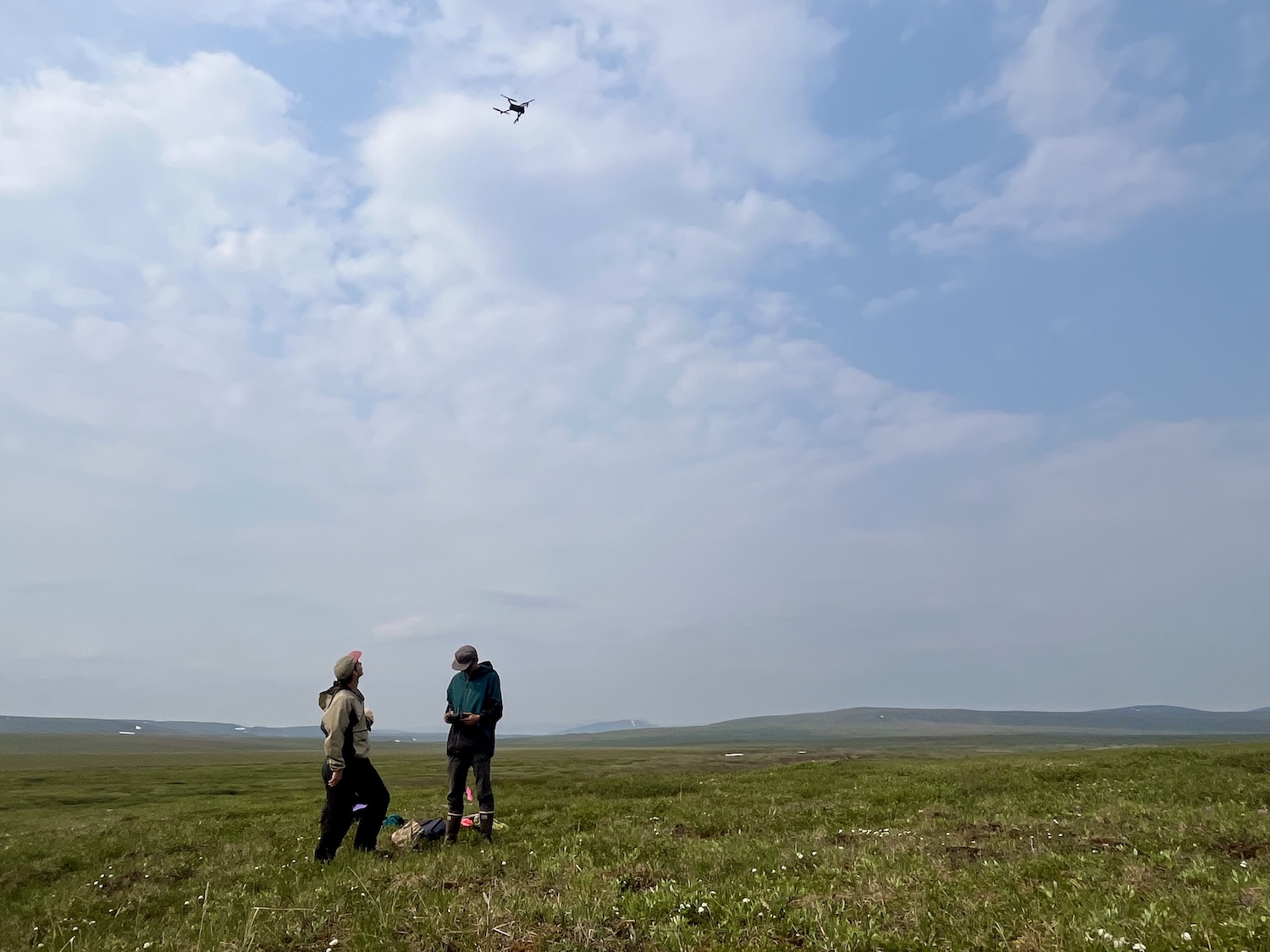
Shrubification refers to the ongoing phenomenon of shrub expansion across the Arctic as the climate warms. But, it’s unclear what is driving this shrub response. This past summer, we traveled to Toolik Field Station in remote northern Alaska to research several of the hypotheses behind this phenomenon. These include warmer temperatures, increased nutrient levels and longer growing seasons. Our experiment revolved around manipulating these variables across more than 120 plots through methods such as placing warming chambers on top of the tundra, adding nitrogen and prematurely shoveling snow from certain plots. Throughout the summer, we studied how these variables affected our study shrubs by monitoring phenology (how our shrubs changed throughout the growing season), conducting plant community surveys and measuring stem growth and leaf counts for all of our tagged shrubs, among other tasks. We also coded, getting a firsthand glimpse of the data we collected in real time. Along the way, we learned from and collaborated with an incredible team of scientists.
ORGANIZATION/RESEARCH GROUP
Levine Lab, Department of Ecology and Evolutionary Biology, Princeton University
LOCATION
Toolik Field Station, Alaska
Interns

Minor(s): Spanish Language and Culture

Minor(s): Computer Science
Click to view the end-of-project presentation
Principal Investigator

Mentors
- Ruby An, Ph.D. Candidate, Ecology and Evolutionary Biology