



2025 Internship Project Overview
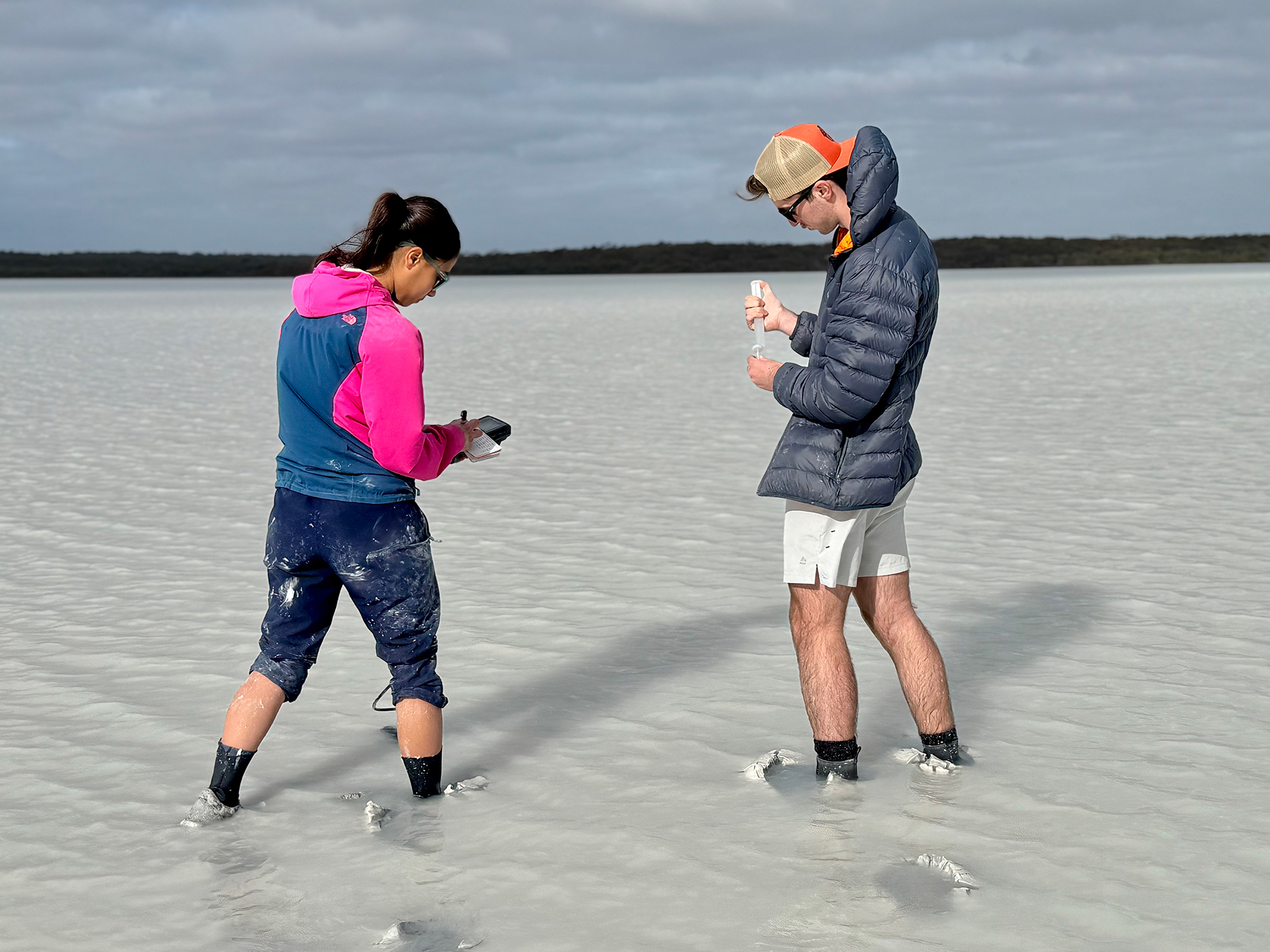
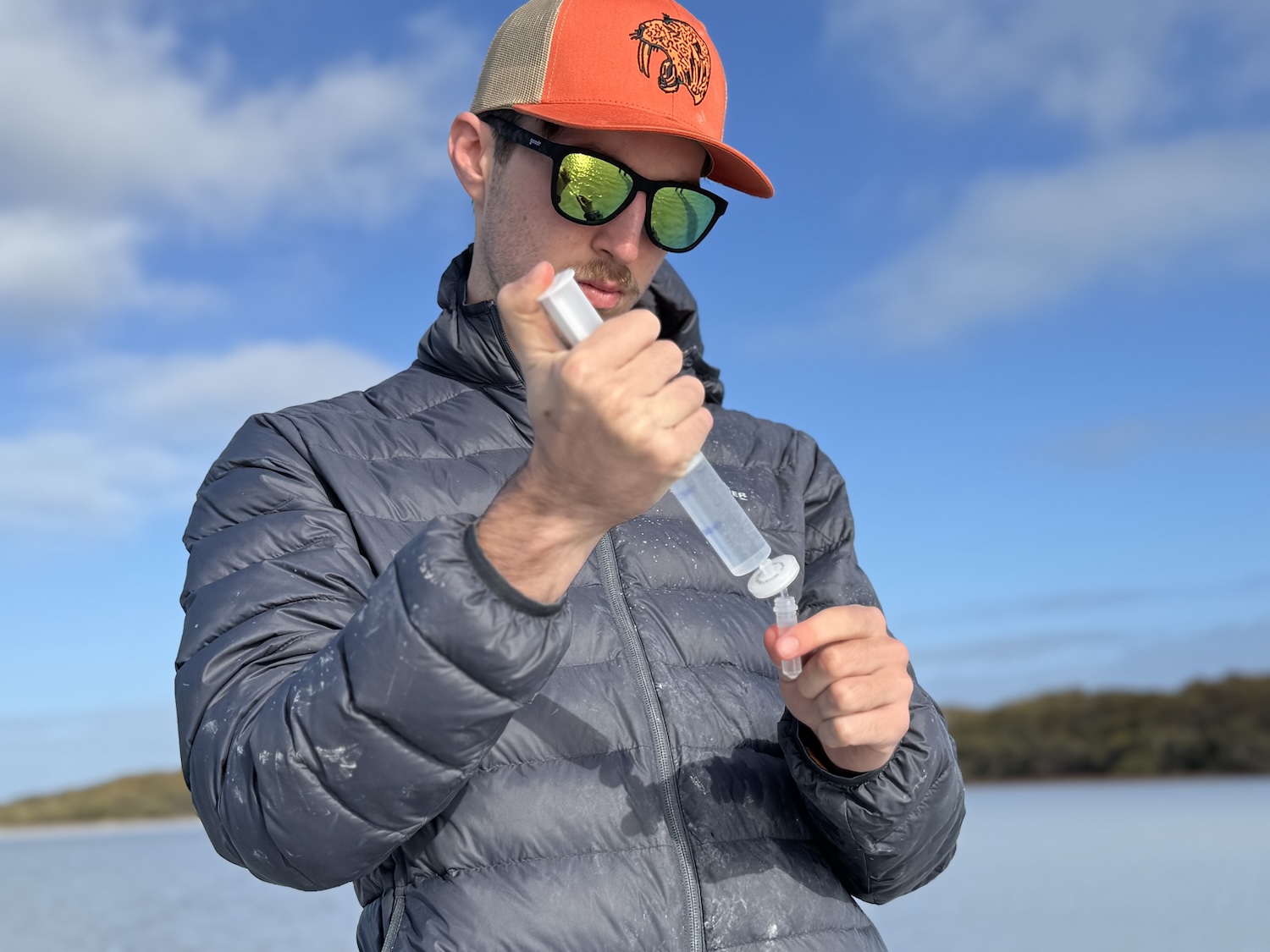
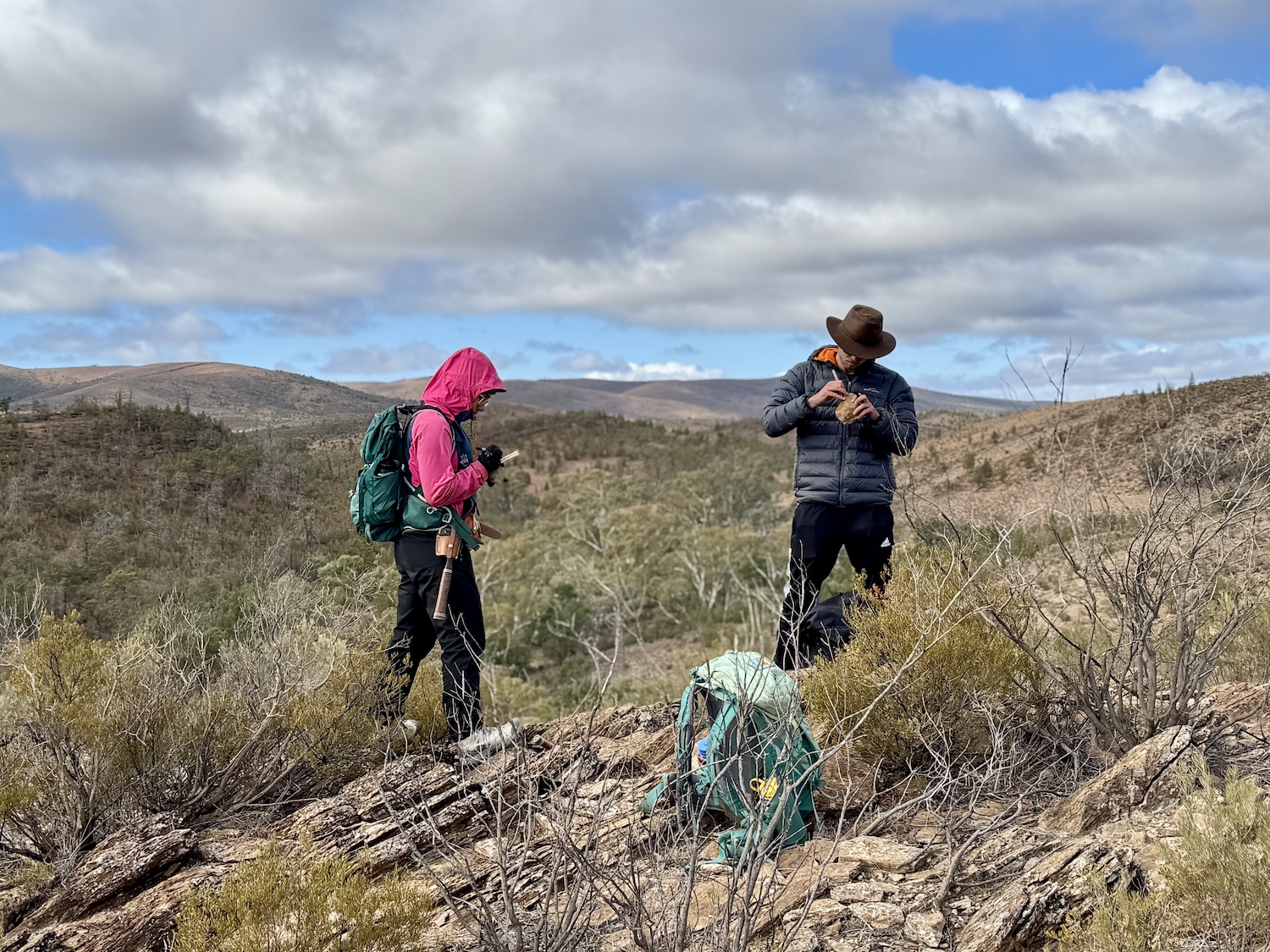
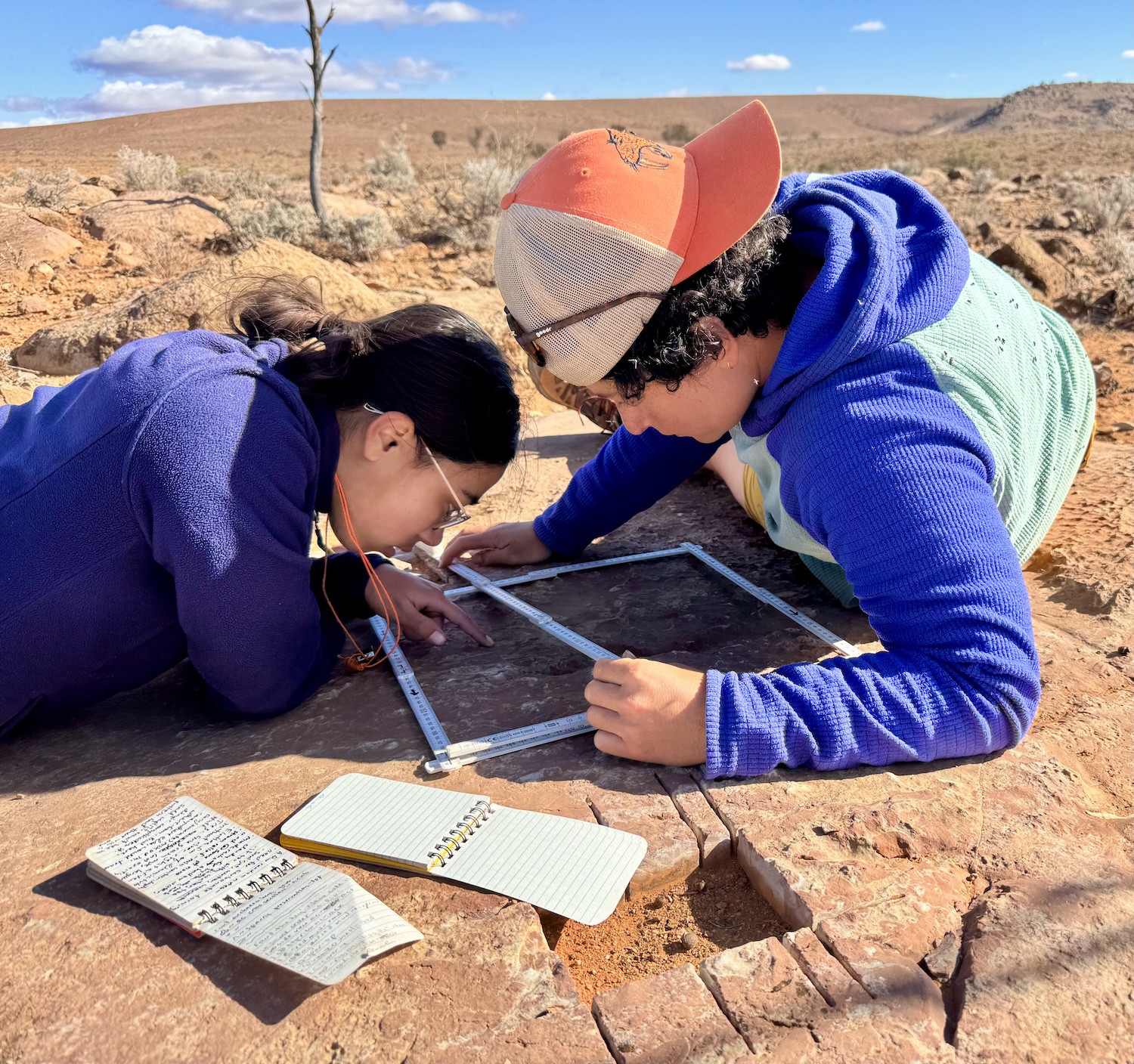
Our ongoing investigation involves field work we conducted in South Australia and data analysis we continued in Princeton. We seek to elucidate the nature of ancient environments, including the Cryogenian interglacial period and the Cambrian explosion. In our investigation of the interglacial period, we collected rock samples from the Trezona formation and gathered carbon isotope data from each rock to better understand the environmental conditions that allowed for an extreme glacial period. In our Cambrian study, we aim to establish the context for the explosion of animal diversity ~500 million years ago by studying archaeocyathids—sponge-like, reef-building organisms—and their role in ancient ocean environments. Specifically, we seek to determine whether archaeocyathids photosynthesized by analyzing their wall thickness via our multispectral imaging technique with the Grinding Imaging and Reconstruction Instrument (GIRI). Additionally, we collected water and mud samples from lakes in the Coorong National Park in South Australia as a modern analogue to ancient environments given their production of magnesite, dolomite, and microbial mats.
ORGANIZATION/RESEARCH GROUP
Maloof Research Group, Department of Geosciences, Princeton University
LOCATION
Adelaide, South Australia; Flinders Ranges and Coorong National Park, South Australia; Princeton, New Jersey
Interns
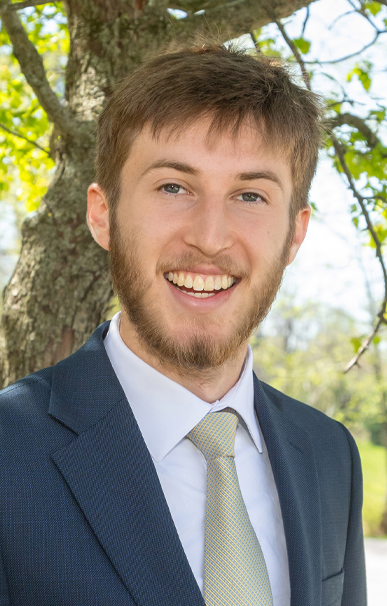
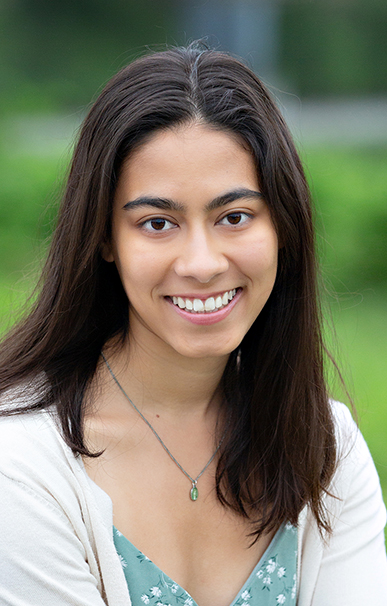
Minor(s): Classics
“We learned field and lab techniques such as taking a geological section, taking geological notes, running a mass spectrometer, preparing samples for grinding and imaging, and running an x-ray diffractometer. We improved our skills in MATLAB and Python coding and built experience communicating about short-term progress and long-term goals. We gained big-picture insights on the decision-making process behind experimentation. We intend to continue working on projects with the lab group as an additional area of study to our majors.
The best part was the field work—we learned so much about rock identification and earth history and really enjoyed the hands-on sample collection. Our field work helped us understand the context behind our continued data collection and analysis back in the lab.”
— Patrick Hamill & Mailynn Nguyen
Click to view the end-of-project presentation
Principal Investigator

Mentors
- Julia Wilcots, Postdoctoral Research Associate, Geosciences