



2025 Internship Project Overview
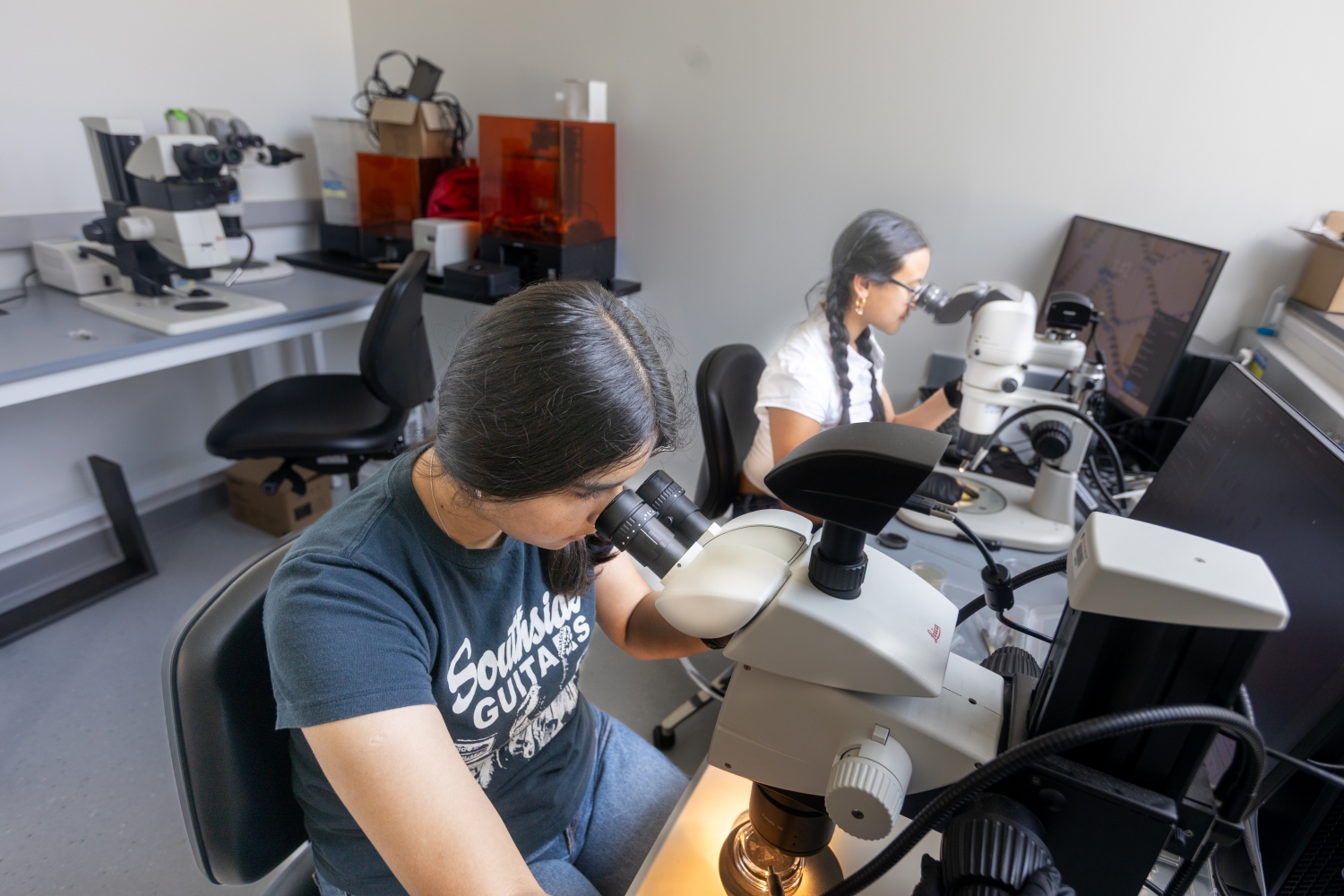
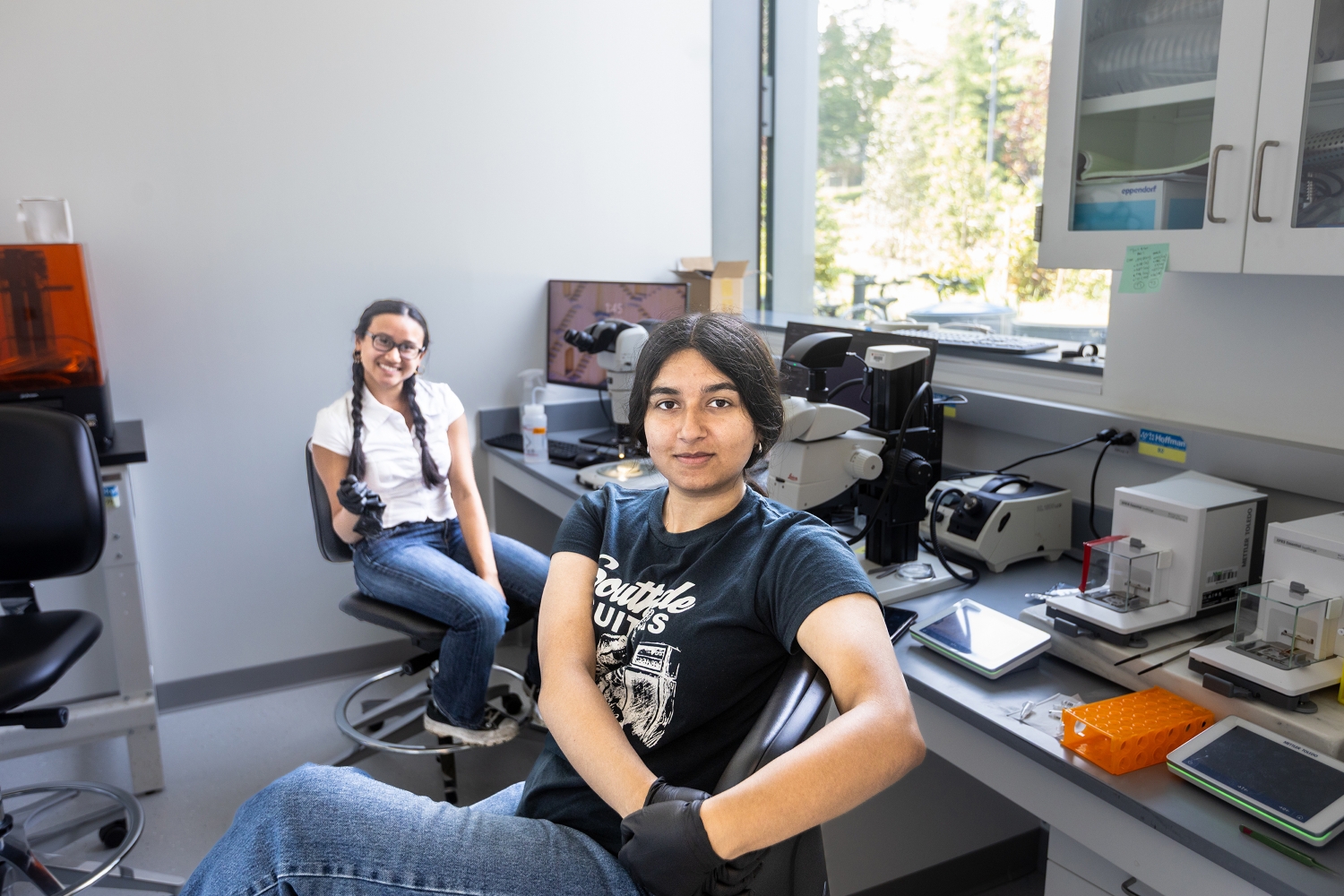
Our research combined hands-on fieldwork with meticulous lab work to investigate two bright-green bee species—Augochlora pura and Augochlorella aurata—and the nematodes that reside within them. The ultimate goal of this project is to investigate the symbiotic relationship between bees and nematodes—how parasites affect bee energy stores, the nematodes’ impact on solitary versus eusocial bee species and where the bee-nematode relationship falls on the host-symbiont scale. Princeton Battlefield and Carson Woods were perfect places to catch and observe the Hymenoptera: Halictidae bees, before dissection under the microscope. One of the highlights of our summer was extracting over 1,000 individual nematodes for quantitative polymerase chain reaction (qPCR) standards. We made interesting observations on the differences between the two species’ nematodes and helped enable a more efficient method to quantify the nematodes. Additionally, we successfully completed a fat body protocol using a high-precision scale! A huge thank-you to Charlotte and The Graham Group—we are wholly inspired and grateful for this experience.
ORGANIZATION/RESEARCH GROUP
The Graham Group, Department of Ecology and Evolutionary Biology, Princeton University
LOCATION
Princeton, New Jersey
Interns

Minor(s): Bioengineering

Minor(s): Quantitative and Computational Biology
Click to view the end-of-project presentation
Principal Investigator

Mentors
- Charlotte Knopp, Ph.D. Candidate, Ecology and Evolutionary Biology