



2025 Internship Project Overview
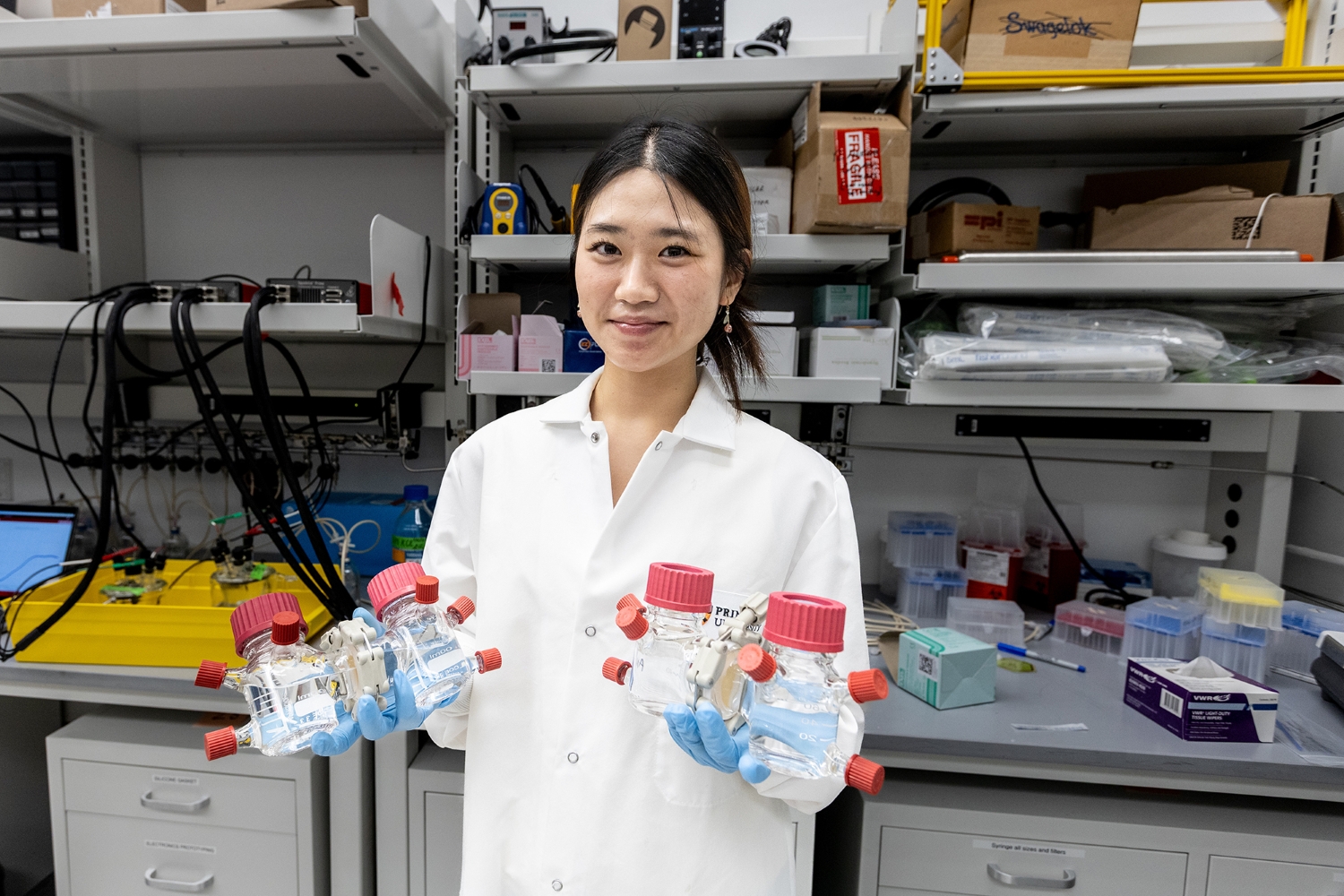
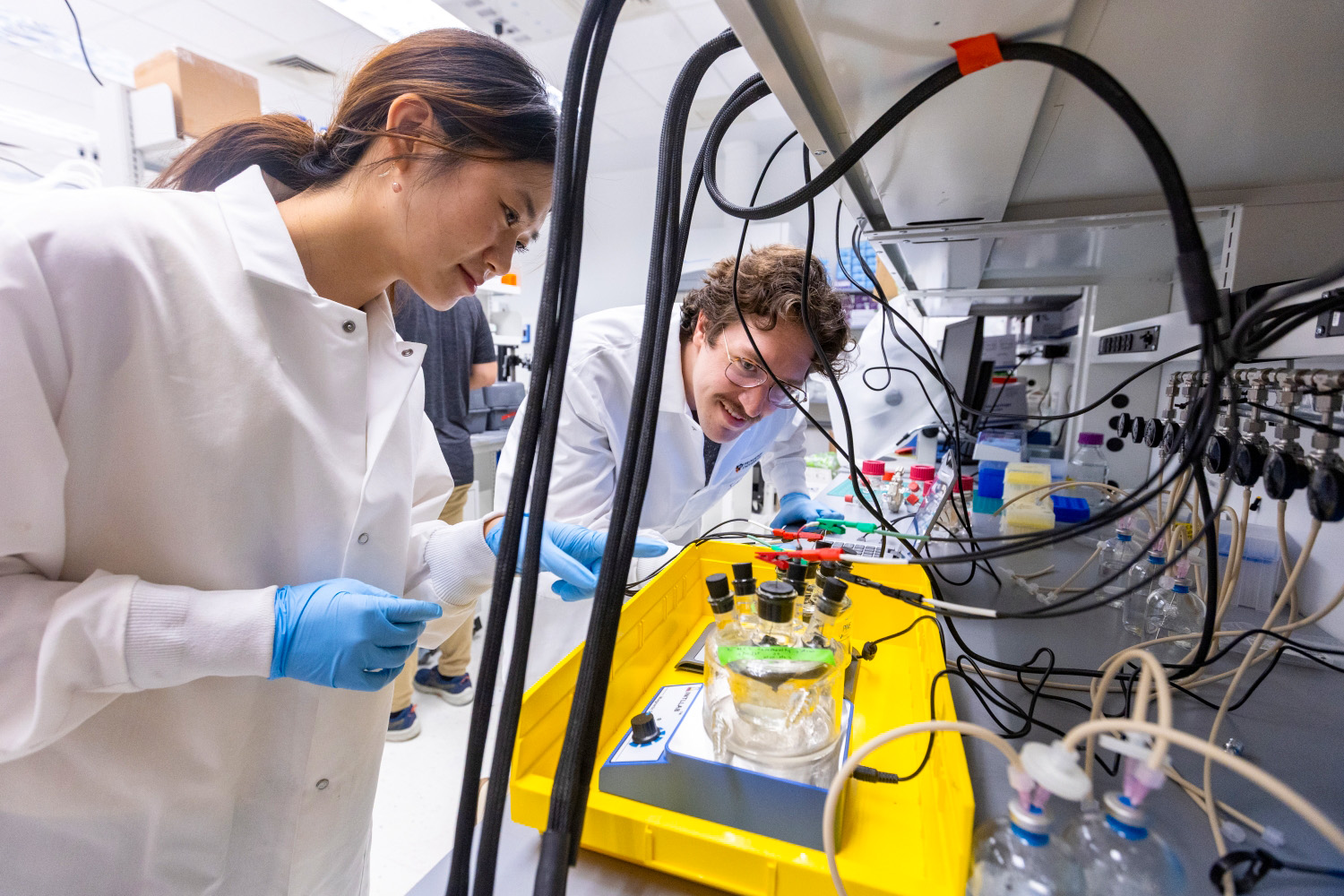
When released into the environment, endocrine disruptors mimic natural hormones such as estrogen, posing risks to human and aquatic life even at low concentrations. Traditional detection methods are costly, time-consuming and rely on complex laboratory equipment. Biosensors, which harness biological elements to detect target molecules, offer a cost-effective solution deployable on-site and in real time. In the Atkinson Lab, we previously designed protein switch biosensors in Shewanella oneidensis, a bacterium whose metabolism depends on electron transport. By modifying a protein in one of its electron transfer pathways, we created switches linking recognition of endocrine-disrupting molecules to a measurable output: electrical current. In this internship, I optimized these protein switches through genetic modification and characterized them through growth assays to measure iron reduction and electrochemical experiments to track electrical activity.
ORGANIZATION/RESEARCH GROUP
Atkinson Lab, Department of Civil and Environmental Engineering, Princeton University
LOCATION
Princeton, New Jersey
Interns

Minor(s): Bioengineering
Principal Investigator

Mentors
- Yves Louiseau-Marchand, Visiting Researcher, Paris-Saclay University