



2025 Internship Project Overview
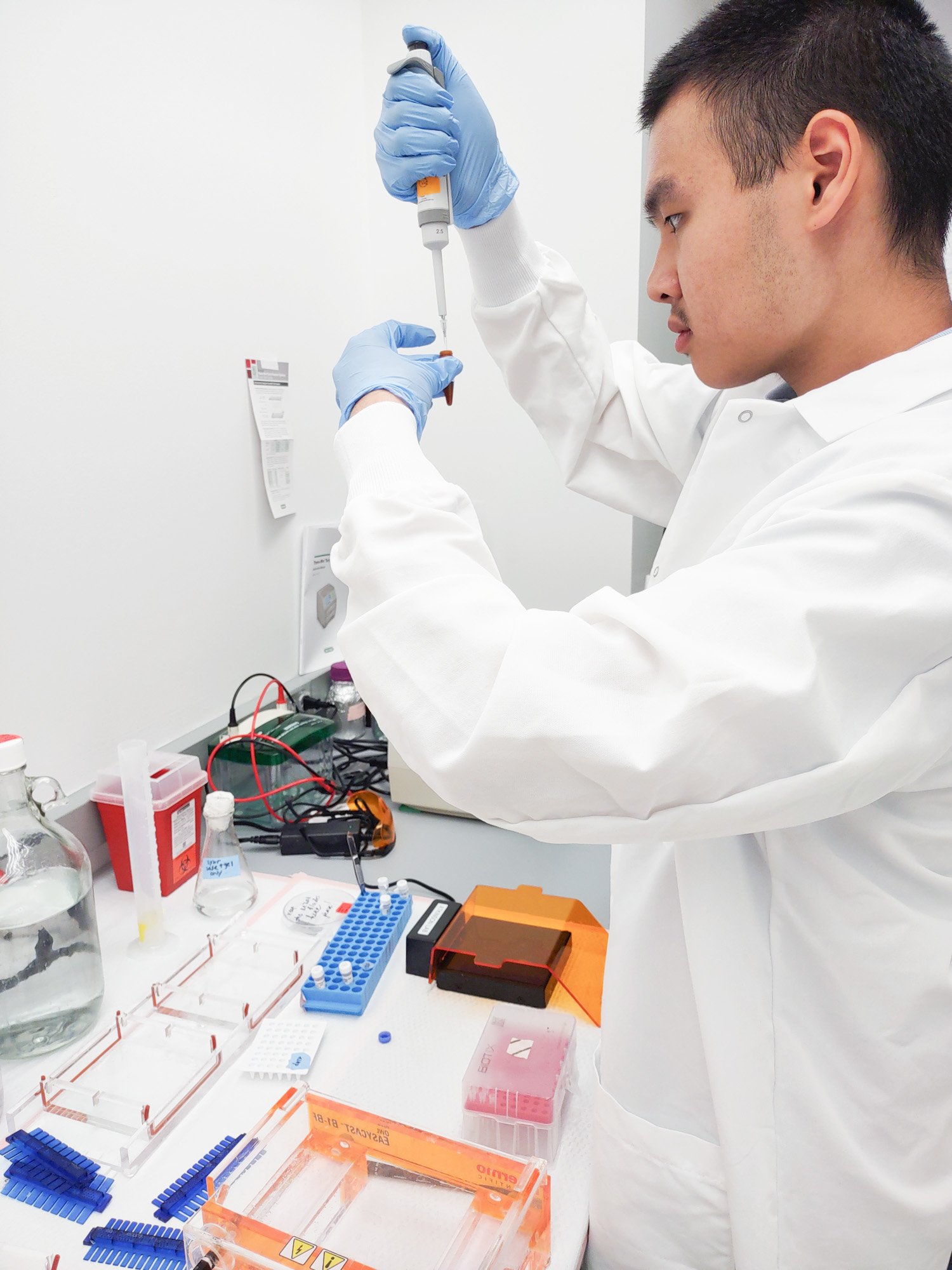
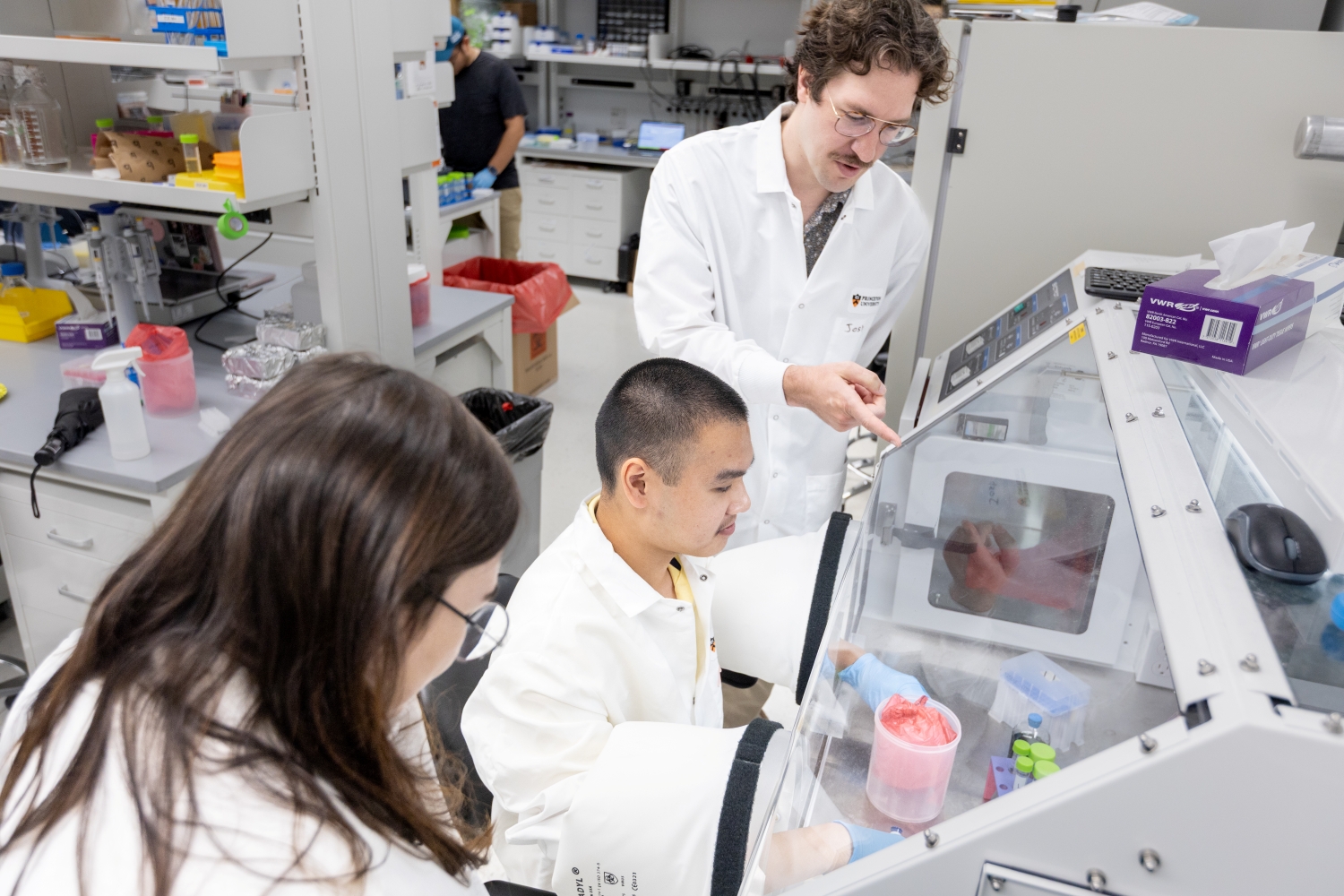
Princeton researchers recently identified the microbe Acidimicrobium sp. strain A6 that uses reductive dehalogenase proteins (RDases) to break down per- and polyfluoroalkyl substances (PFAS), commonly known as “forever chemicals,” for cell respiration. However, A6 is very challenging to grow in the lab, preventing scientists from completely sequencing the gene that codes for its RDases. Using a different gene that is highly similar to the incomplete gene of A6, we bioengineered a different organism, Shewanella oneidensis MR-1, to produce RDase proteins. Our goal was to understand how RDase production affects MR-1 growth and see if MR-1 can use RDases to degrade PFAS. In the lab, I designed DNA primers and utilized different microbiological techniques to build plasmids (circular molecules of DNA) with RDase genes. I then introduced these plasmids into samples of MR-1 for use in growth and defluorination assays, and plotted the results of these assays in R.
ORGANIZATION/RESEARCH GROUP
Atkinson Lab, Department of Civil and Environmental Engineering, Princeton University
LOCATION
Princeton, New Jersey
Interns

Minor(s): Quantitative and Computational Biology
Principal Investigator

Mentors
- Kayla Aksan, Ph.D. Candidate, Civil and Environmental Engineering