
2025 Internship Project Overview
In order to limit the effect of global warming, many scientists seek to capture released carbon dioxide to be stored or used for other purposes. Thirty percent of the carbon dioxide released into the atmosphere is absorbed by the ocean, providing an opportunity for mass carbon capture using novel techniques. The goal of this project was to utilize electrochemistry to create a scalable method of sequestering carbon dioxide by converting it into mineralized carbonates.
Metal cations can join with carbonate ions to form highly insoluble minerals such as calcium carbonate (CaCO3) and magnesium carbonate (MgCO3). At the ocean’s natural pH, most of the dissolved carbon dioxide exists as bicarbonate ions (HCO-), however they can be further deprotonated into useful carbonate ions (CO32-) in more alkaline conditions. By designing an electrochemical cell to create an alkaline environment, we were able to precipitate minerals and analyze them using Raman spectroscopy.
ORGANIZATION/RESEARCH GROUP
Koel Research Group, Department of Chemical and Biological Engineering, Princeton University
LOCATION
Princeton, New Jersey
Interns

Minor(s): Computer Science
Click to view the end-of-project presentation
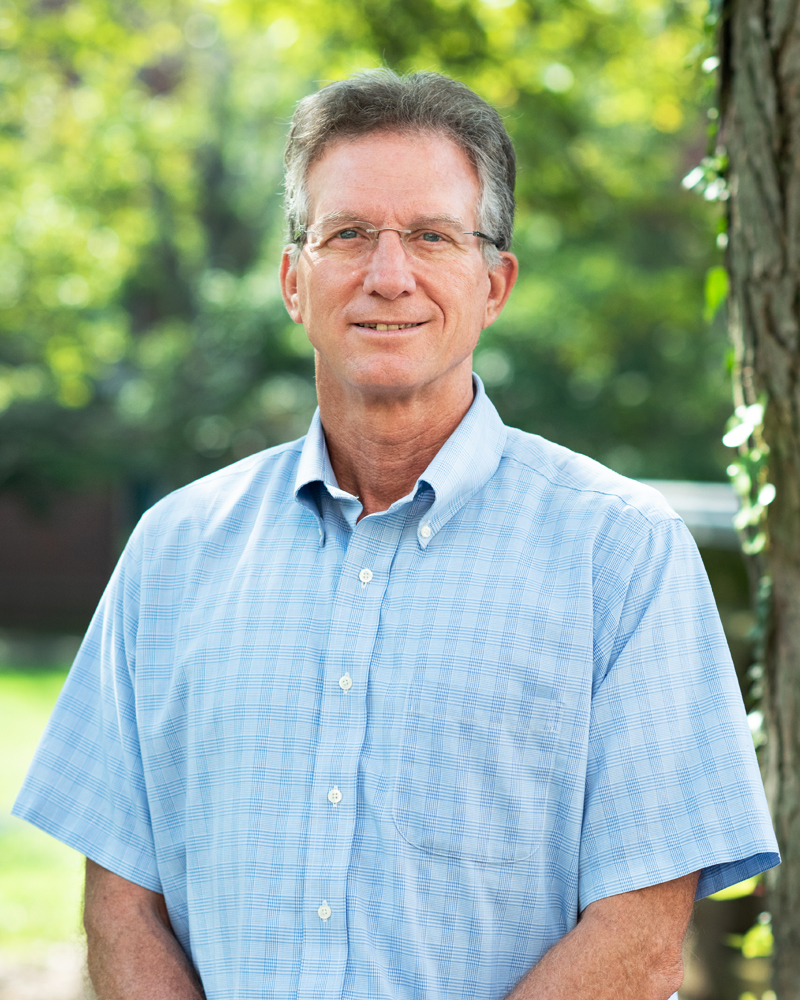
Principal Investigator
Mentors
- Hengfei Gu, Postdoctoral Research Associate, Chemical and Biological Engineering
- Yiteng Zheng, Associate Research Scholar, Chemical and Biological Engineering