



2025 Internship Project Overview
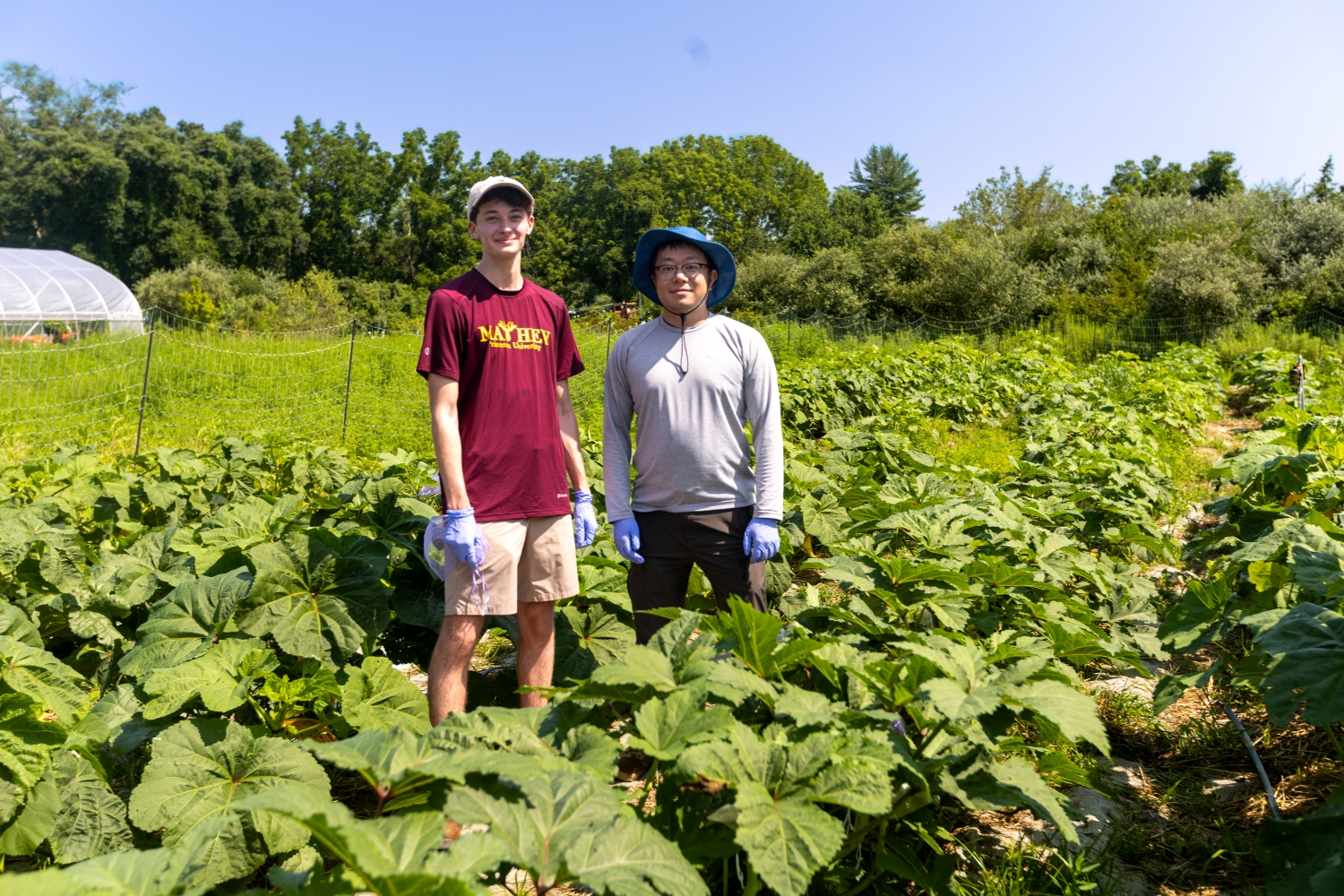
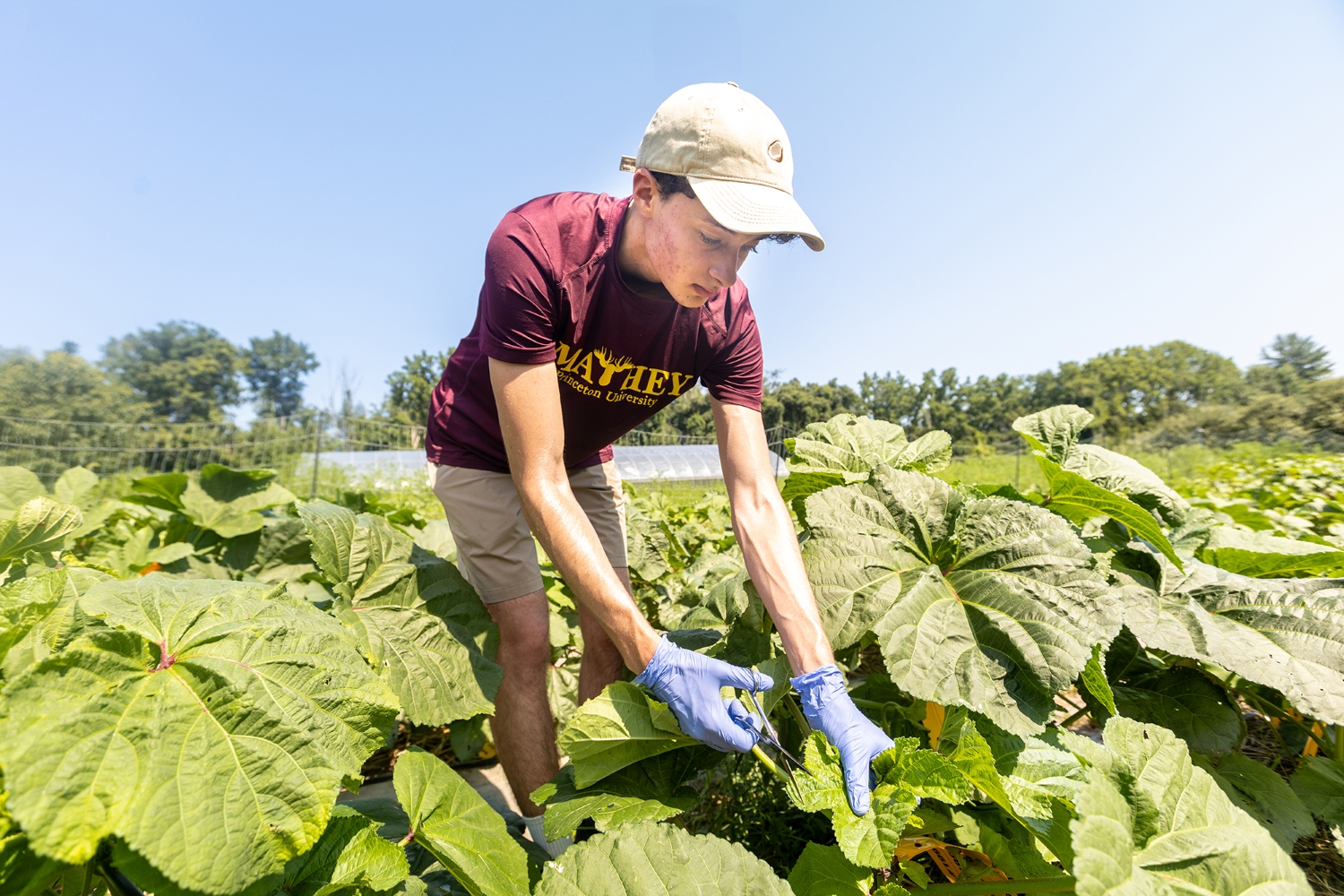
In areas with extreme weather conditions, it may be difficult to find a reliable source of vegetable seeds to convert into cooking oil due to an unsuitable growing environment. Climate change has resulted in more intense heat waves and droughts, so one solution to the question of reliable sources of cooking oils is the cultivation of climate-resilient crops. Okra is one such crop with a high tolerance to heat and drought, but its oil content is low compared to other common oilseed crops. To improve oil production in okra seeds, the Conway Lab iteratively crossed parent okra lines with a higher seed oil content to produce a superior offspring line with increased oil content. The oil content of the seeds was measured via Time Domain-Nuclear Magnetic Resonance and the genetic markers for higher oil production will be determined through the genotyping by sequencing approach.
This internship is connected to the HMEI Water and the Environment Grand Challenges project, “Plant Breeding to Increase Agro-Biodiversity and Crop Climate Resilience.”
ORGANIZATION/RESEARCH GROUP
Conway Lab, Department of Chemical and Biological Engineering, Princeton University
LOCATION
Princeton, New Jersey
Interns

Minor(s): Materials Science and Engineering
Principal Investigator

Mentors
- Chao Liao, Postdoctoral Research Associate, Chemical and Biological Engineering