



2025 Internship Project Overview
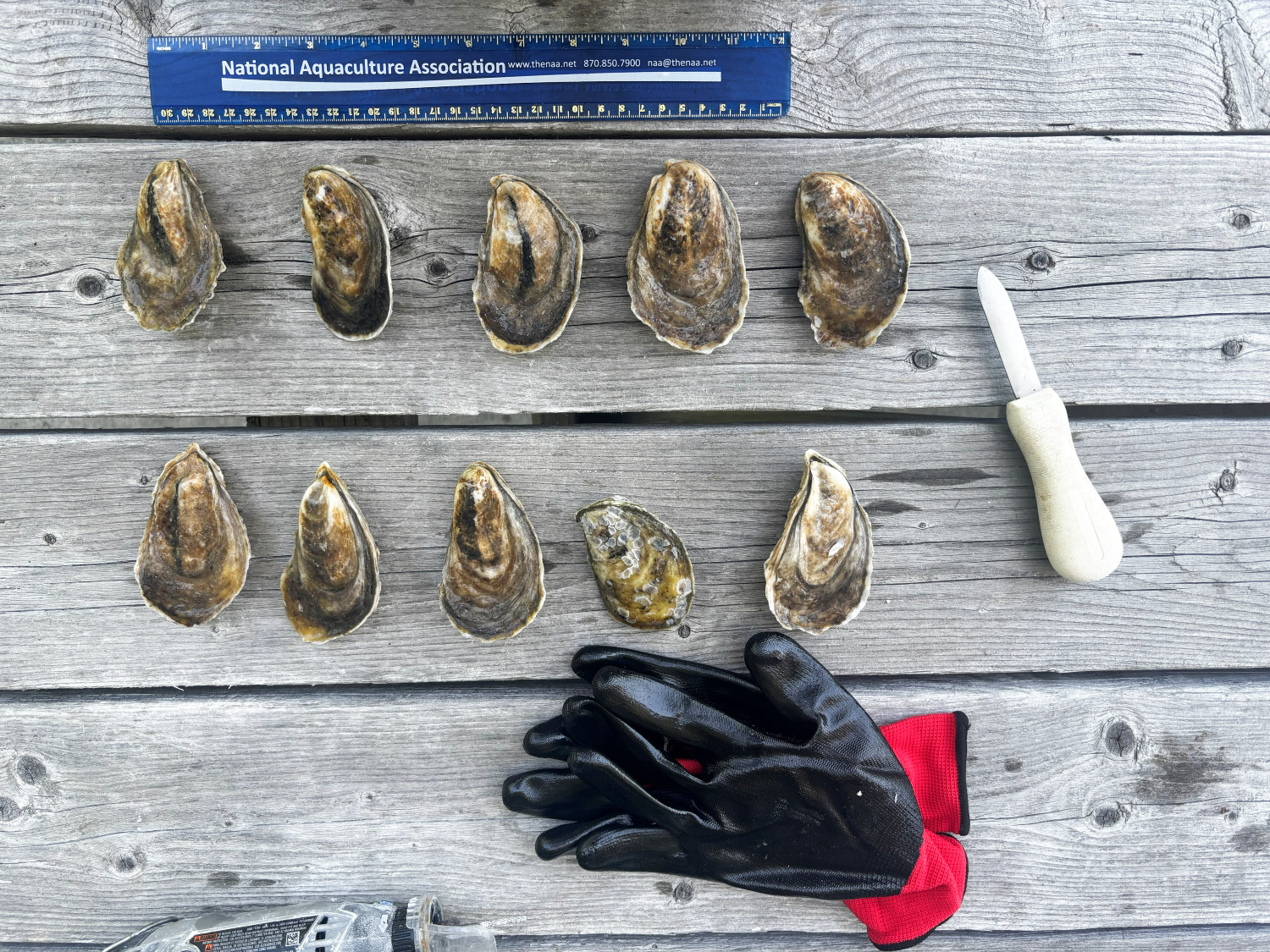
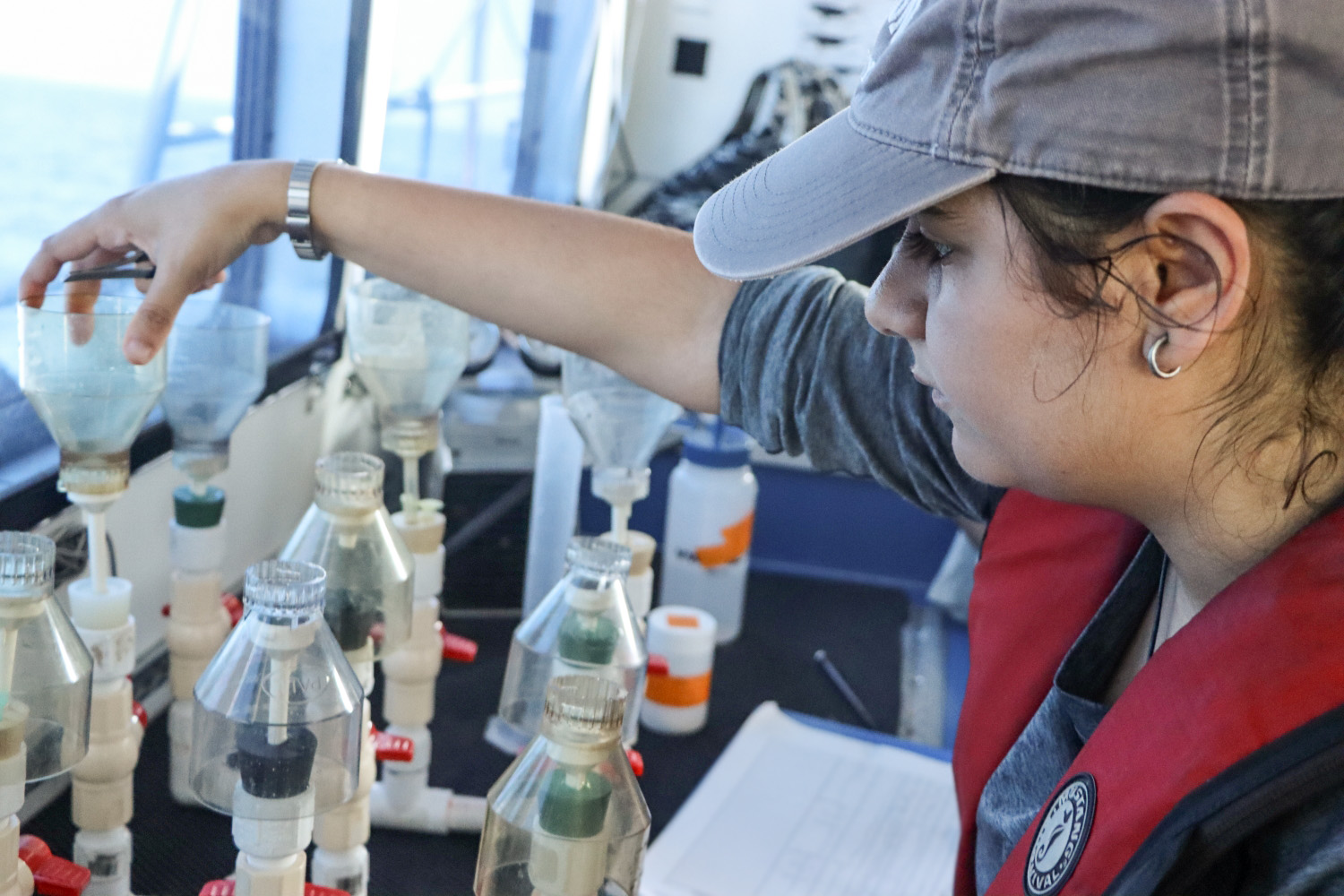
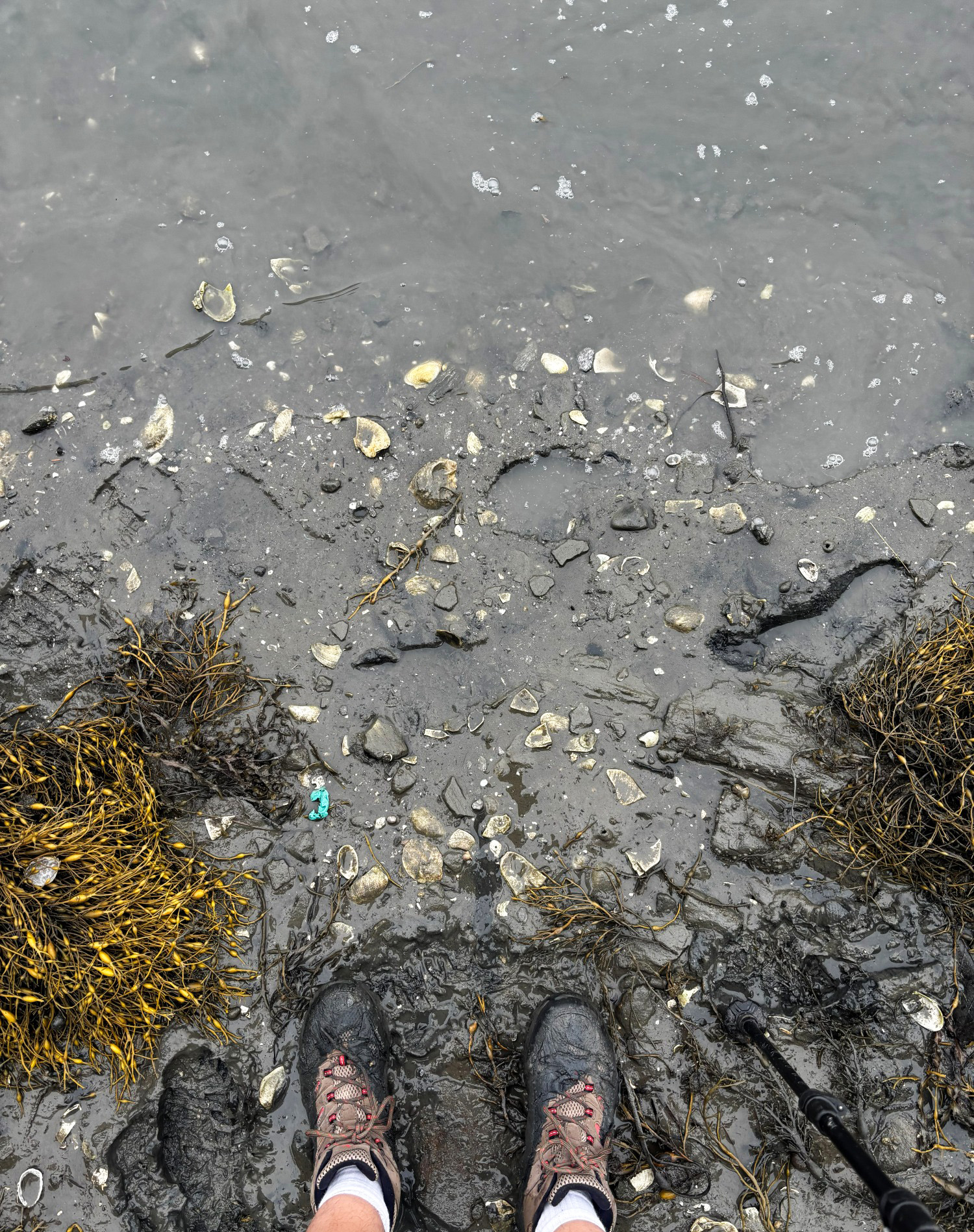
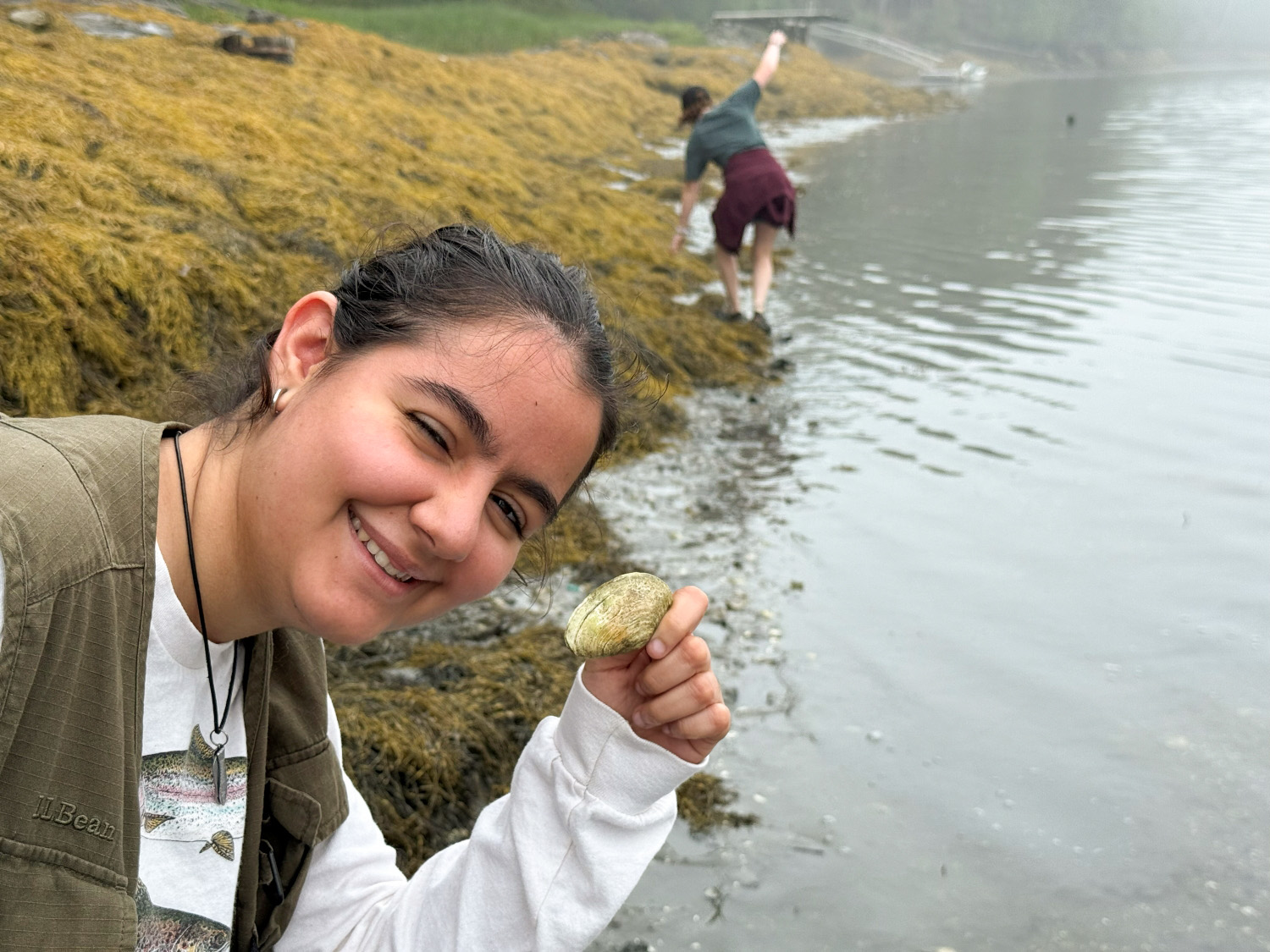
My project addressed two gaps in marine disease ecology: monitoring transmissible cancers in the wild and developing methods to culture bivalve cells in the lab. We collected soft-shell clams (Mya arenaria) from Long Cove, Harpswell, Maine, to monitor the prevalence of bivalve transmissible neoplasia (BTN), a leukemia-like disease that spreads through seawater and causes major population declines. Using real-time qPCR assays, we found BTN cases increased over the summer as waters got warmer. In parallel, we explored various methods for establishing the first bivalve cell line from Eastern oysters (Crassostrea virginica), carrying forward a research effort dating back to the 1960s. We identified promising conditions for early cell growth after optimizing previously established protocols as well as testing additional supplements such as salmon-derived growth factors and clam hemolymph serum. This work lays foundational steps and opens new possibilities for experimental systems in invertebrate immunology and aquaculture pathology.
ORGANIZATION/RESEARCH GROUP
Bigelow Laboratory for Ocean Sciences
LOCATION
East Boothbay, Maine
Interns
Minor(s): Archaeology, Quantitative and Computational Biology
Click to view the end-of-project presentation
Principal Investigator

Mentors
- José Fernández-Robledo, Senior Research Scientist, Bigelow Laboratory for Ocean Sciences
- David Fields, Senior Research Scientist, Bigelow Laboratory for Ocean Sciences