




Preserving and Maintaining Agrobiodiversity through Culturally-meaningful Crops
Desmond Lab, The Seed Farm at Princeton
Stony Ford Research Station in Lawrence, NJ
Food and Agriculture
Fieldwork
February 16, 2026 2:00 pm EST
Internship / Research Project Information
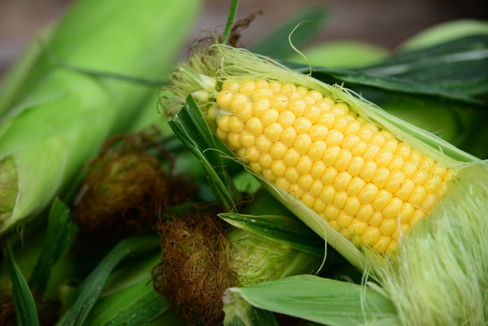
Sitting on 3.5 acres at the Stony Ford Research Station, The Seed Farm at Princeton is a collaborative research and farming initiative focused on preserving and maintaining agrobiodiversity through the cultivation of rare, culturally-meaningful crops. Students, scholars, and community partners come together to learn from each other by pursuing relevant research questions about the art and science of heirloom plants. Though we come together from a wide range of disciplines and life experiences, we share a common focus: our work deals with questions of repair and mutualism including repairing relationships with land, soil, plants, the environment, and each other and thinking about the essential role that mutualisms play in processes of repair. Our work is heavily inspired and embodied by the Three-Sisters planting practices of Native Americans in which corn (scaffolding), bean (nitrogen), and squash (water retention and pest management) work together to create an environment of reciprocity.
In our gardens, we grow plants for their seeds, which means tending them through lush green and peak fruit until pods have dried, fruits have browned, and seeds have matured. Each summer, Princeton students help us at the beginning of this journey with the prepping of beds, planting of seeds from community partners, and tending to the plants. Along the way, student interns will support several projects supporting agrobiodiversity goals. From documenting oral histories and conducting seed archival work, to studying intercropping systems and supporting plant breeding work, the Seed Farm uniquely offers a variety of interdisciplinary avenues to engage while being in service to our community.
For Summer 2026, students will also get to explore possibilities for conducting research on carbon sequestration, data, and modeling at Stony Ford through The Soil Inventory Project. If possible, we may also be able to have the intern team travel to Caney Fork Farm in Nashville to learn from Al Gore’s farm team.
Interns will engage in hands-on agricultural work, community-based research, and interdisciplinary learning centered on racial, Indigenous, and environmental justice that includes:
- Supporting crop resiliency and seed rematriation efforts through the planting and tending of seed crops both at Stony Ford and at community partner sites (including weekly visits to the Three Sisters Garden tended by Native Roots Farm Foundation in Middletown, Delaware and a week long trip to Ujamaa Seed Cooperative’s headquarters in Accokeek, MD)
- Working with the Farm Manager of The Seed Farm to apply regenerative farming practices that support the healthy growth of our crops (e.g.applying soil amendments, setting up drip irrigation systems, weeding, erecting deer fencing, and applying integrated pest management techniques)
- Supporting the research agenda of the biodiversity Grand Challenges project which includes planting, weeding, tagging, and bud bagging of 500 okra plants
- Designing and collecting both quantitative and qualitative data on the mutualisms among African crops (i.e. polycultures)
- Helping to develop a plan to collect, analysis and track how diverse agricultural systems sequester carbon
- Conducting research on seed histories, plant mutualisms, and traditional farming practices.
- Contributing to documentation efforts including photography, website content, and storytelling
The interns who work at The Seed Farm will participate in farming using a wide-range of techniques that include practices of regenerative, organic, and traditional ecological knowledge systems. While engaged in hands-on farming, students will also develop understandings of historical contexts for the seeds that we work with, which include rare, culturally-meaningful varieties from African, Native American, and other global diasporas. Through readings, films, discussions, and teachings from our community partners, interns at The Seed Farm learn about the histories, growing practices, and meaning of seeds in their cultural contexts. By the end of the internship, students will learn how the preservation of culturally-meaningful seeds and related food sovereignty efforts are critical to maintaining agro-biodiversity and supporting healthy and resilient agricultural systems.
Faculty Sponsor(s) / Host Information
Tessa Desmond
Princeton School of Public and International Affairs (SPIA)
Internship Requirements
Students from all years and academic backgrounds are encouraged to apply. Useful skills include:
- Vegetable gardening or farming experience
- Experience and/or familiarity with community-engaged scholarship work
- Interest in ecological systems, agriculture and/or sustainability
- Strong teamwork and communication skills
- Background or willingness to work for several hours every day in the outdoors
- Experience with multimedia documentation (optional)
The demands associated with the student's responsibilities include all those associated with the description of the role and responsibilities. The majority of time will be spent outside and students must be willing and prepared to deal with all variations of the hot and humid NJ summer climate and agricultural environments, as well as a moderate amount of manual labor. Students will encounter bugs, ticks, sun, rain, and soil.
Students will need a laptop and to come prepared with fieldwork suitable attire (e.g. hat, sunglasses, boots, etc). Otherwise, all tools, equipment, and other PPE like insect repellants and sunscreen will be provided.
- Students are responsible for securing accommodations for the duration of their internship. On-campus summer housing is typically available the first week of June until the first week of August (details to become available in Spring 2026). If the internship falls outside of on-campus housing availability, students will need to secure alternate housing.
- Although not mandatory, it is highly recommend that the students participating in the summer internship program attend our first planting of the year (Lenape Blue Corn) at a workday in the spring.
- Other preparations include securing suitable fieldwork attire, otherwise all background literature and information will be shared during the first week of the internship.
Internship / Project Supervisor(s)
Gina Talt, Food Systems Project Manager, Office of Sustainability
Michelle Nowak, Farm Manager, Seed Farm
Internship Dates And Funding Information
$800
4
9
June 1, 2026 to July 31, 2026