




Is the Soil-age a Factor in How Well Soils Retain Organic Carbon?
Myneni Research Group
Princeton University with a week of sampling in Hawaii
Climate and Environmental Science
Fieldwork, Labwork
January 7, 2026 2:00 pm EST
Internship / Research Project Information
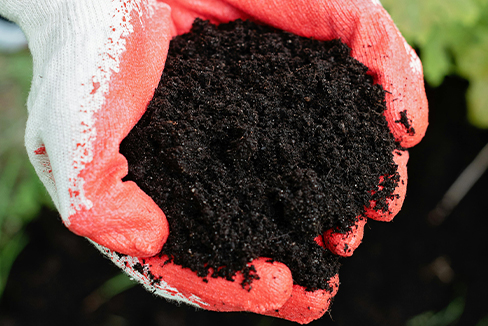
Soils are the largest repositories of stable organic carbon on the surface of our planet. Progressive alteration of plant and microbial biomass leads to the production of this organic carbon pool in soils. Many studies have evaluated how soils retain and preserve organic carbon and shown that physical and chemical disturbances to this ecosystem can release this organic carbon back into the atmosphere as CO2, leading to changes in the global temperatures. Although soil organic carbon can exist by itself (particulate organic carbon, POC), a significant pool exists as coatings on inorganic materials, such as clay minerals and disordered Fe/Al silicates, through surface reactions (mineral adsorbed organic carbon, MAOC). This indicates that mineral surfaces form strong bonds with organic carbon, and thus protects it from further breakdown. Major questions such as, how does the chemistry of POC differ from that of MAOC? Does MAOC chemistry change with the type of mineral, for e.g., clay minerals vs disordered Fe-oxides? Which soil organic carbon pool is more vulnerable to physical or chemical disturbances? This project uses Hawaiian soils to address these questions, and this is because Hawaii soils are formed from identical parent materials and have similar vegetation while soils of different Hawaiian islands show major changes in inorganic phases (because of differences in their age). The study focuses on collecting fresh soils from different Hawaiian islands, and characterize them using molecular spectroscopy methods to understand the nature of POC and MAOC and their variations.
Student is expected to read literature, collect and analyze soil samples, and interpret what the data means.
Students will learn how to collect soil samples, analyze them using at least one molecular spectroscopy method.
Faculty Sponsor(s) / Host Information
Satish Myneni
Geosciences (GEO)
Internship Requirements
Organic chemistry background is preferred (CHM 301).
Knowledge on basics of organic chemistry
University Lab Safety Training
Parts of field work involve some hikes.
Students should know how to make data plots using some graphing software.
- For Hawaii- Students are required to register their travel with the University through Enroll My Trip. Information related to the University’s Permissible Travel Guidelines can be found here. Funding is contingent on travel registration and University approval.
- For Princeton campus- Students are responsible for securing accommodations for the duration of their internship. On-campus summer housing is typically available the first week of June until the first week of August (details to become available in Spring 2026). If the internship falls outside of on-campus housing availability, students will need to secure alternate housing.
Internship / Project Supervisor(s)
Satish Myneni, GEO
Internship Dates And Funding Information
$800
1
8
June 8, 2026 to July 31, 2026