




Exploring the Relationship Between Ocean Circulation and Climate Change in the Late Cretaceous
Zhang Geomicrobiology and Biogeochemistry Lab
Princeton University
Climate and Environmental Science
Labwork
January 7, 2026 2:00 pm EST
Internship / Research Project Information
The overarching goal of this project is to assess the relationship between ocean circulation and climate change during one of the hottest periods in Earth’s history, the Late Cretaceous, using neodymium isotopes sourced from fossilized fish teeth as a tracer for past ocean circulation patterns.
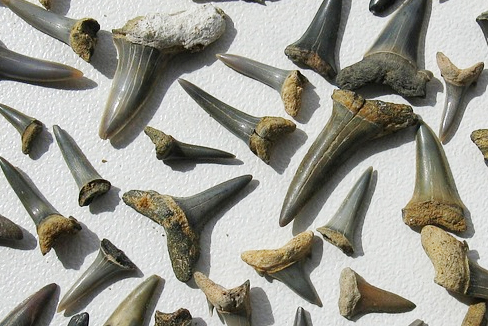
The student will be processing lithified deep sea sediment samples previously collected off the southern coasts of South Africa and Australia, and picking fossilized fish teeth that will be used for neodymium isotopic analyses.
The student will gain hands on experience working in a lab environment. They will use chemical methods to break down lithified sediment samples and use a dissecting microscope to identify and pick out marine microfossils. They will also gain experience with various geochemical techniques to isolate rare earth elements including neodymium from fossilized fish teeth. The difficulty of lab work can be tailored to the student’s experience and comfort level for doing lab work.
Faculty Sponsor(s) / Host Information
Xinning Zhang
Geosciences (GEO) / High Meadows Environmental Institute (HMEI)
Internship Requirements
Earth science background preferred but not required.
The student will be trained on all technical aspects of the project but some previous lab experience would be helpful. As stated above, lab work can be tailored to the student's experience level.
Standing for long periods of time, using a rock hammer in the lab.
A laptop with Excel would be helpful to process data, but is not required.
- Students will meet with internship mentors in the spring, prior to the internship start date. Reading materials may also be provided.
- Students are responsible for securing accommodations for the duration of their internship. On-campus summer housing is typically available the first week of June until the first week of August (details to become available in Spring 2026). If the internship falls outside of on-campus housing availability, students will need to secure alternate housing.
Internship / Project Supervisor(s)
Shannon Haynes, Associate Professional Specialist, GEO
Eunje Oh, Ph.D Candidate, GEO
Internship Dates And Funding Information
$800
2
8
June 2, 2026 to July 24, 2026