




Designing Synthetic Microbial Communities to Alleviate Drought Stress in Plants
Conway Lab, Princeton University
Princeton University
Climate and Environmental Science
Labwork
January 7, 2026 2:00 pm EST
Internship / Research Project Information
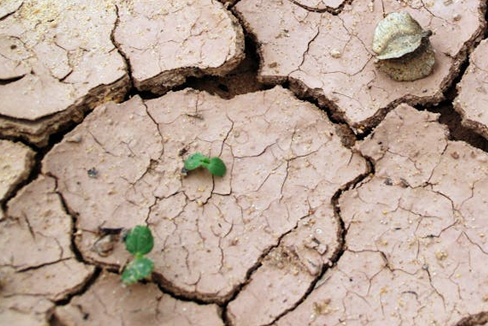
Plants grow in intimate association with a microbiome, a collection of microbes above- and below-ground that significantly impact the growth, productivity, and resilience of the plant host. As climate change increases the frequency and severity of drought, understanding plant-microbe interactions during drought stress is a growing area of study. The Conway Lab seeks to identify bacteria that alleviate drought stress in plants and understand the genetic mechanisms of these plant-microbe interactions. We have identified several candidate bacterial strains that are enriched in corn and soybean roots during drought. Using a collection of soil bacteria, we will construct synthetic microbial communities, inoculate plants under drought conditions in growth chambers, and test the ability of these candidate strains to promote plant growth during drought. Based on our findings, we will begin to engineer focal strains for genetic mechanism elucidation. Our goal is to apply our understanding of plant-microbe interactions during drought to inform the design of “plant probiotics” that increase the resilience of agricultural systems to the effects of climate change.
The student will grow model plants (Arabidopsis, Brachypodium) in growth chambers in the Conway Lab under well-watered and drought conditions. They will help to construct synthetic microbial communities with bacterial strains of interest and inoculate plants with these cultures. The plants will be sampled during the growth period and prepared for microbial community analysis using sequencing methodologies.
The student will learn techniques for conducting plant-microbe interaction research in a laboratory setting, particularly by designing synthetic microbial communities and growing plants in simulated drought conditions in our lab’s growth chambers. The student will also learn about next-generation sequencing and how it can be used to understand microbial community dynamics.
Faculty Sponsor(s) / Host Information
Jonathan Conway
Chemical & Biological Engineering (CBE)
Internship Requirements
Major in Science or Engineering discipline.
Basic laboratory skills are preferred, but not required.
Biosafety Training; University Lab Safety Training
Student will need a computer for data analysis and presentation.
- Students will meet with internship mentors in the spring, prior to the internship start date. Reading materials may also be provided.
- Students are responsible for securing accommodations for the duration of their internship. On-campus summer housing is typically available the first week of June until the first week of August (details to become available in Spring 2026). If the internship falls outside of on-campus housing availability, students will need to secure alternate housing.
Internship / Project Supervisor(s)
Ella Gunady, Ph.D Candidate, CBE
Internship Dates And Funding Information
$800
1
9
June 1, 2026 to August 1, 2026