




William Travis ’26
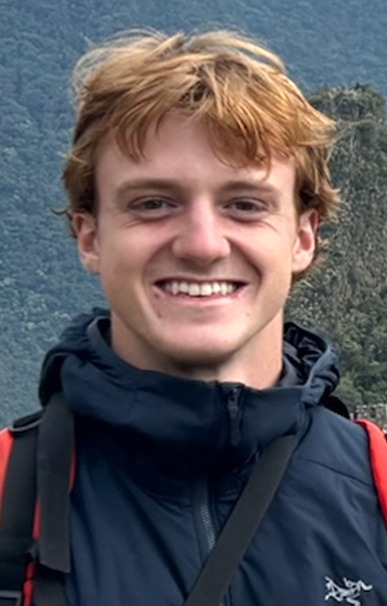
Psychology
Human-Animal Encounters and Conservation in the Urbanizing Amazon
Minor(s): Global Health and Health Policy, Neuroscience
Our research group employed methods in ethnographic fieldwork and conservation research to investigate human-animal encounters in the Peruvian Amazon. We spent two months living in the city of Iquitos, Peru, the largest urban center in the world that is not accessible by road. Often referred to as the capital of the Peruvian Amazon, Iquitos was an ideal location to research and understand the balance between urbanization processes and the natural world. With a primary focus on tourism, we combined in-depth field site visits, informant interviews, YouTube media analyses and structured surveys to gather a comprehensive dataset that may have significant implications in conservation research and policy. This experience not only taught me valuable skills in ethnographic fieldwork, data manipulation and the research process, but also refined my Spanish language ability, exposed me to new cultures and helped me gain an incredibly unique global perspective. While the focus of this internship did not perfectly align with my professional goals, it has inspired me to pursue further research that employs similar methods. I hope to travel abroad again and use what I have learned this summer in my junior and senior year independent work.
2024
Environment, Society and Urban Sustainability
High Meadows Environmental Institute; Fuentes Research Group - Iquitos, Peru
Agustín Fuentes, Professor of Anthropology; Christian Rivera, Postdoctoral Research Associate, High Meadows Environmental Institute